
Your game works. You've tested it extensively. But on launch day, what decides whether a player actually gets in isn't just your code, it's whether they can buy and access it.
That moment lives on someone else's storefront – Steam, PlayStation Store, Xbox, the Nintendo eShop – through regional payment methods that are largely out of your control. When everything works, nobody notices. And when it doesn't, players notice immediately.
Retail checks validate that full sequence, from purchase to download to the moment gameplay begins, making sure players get what they paid for.
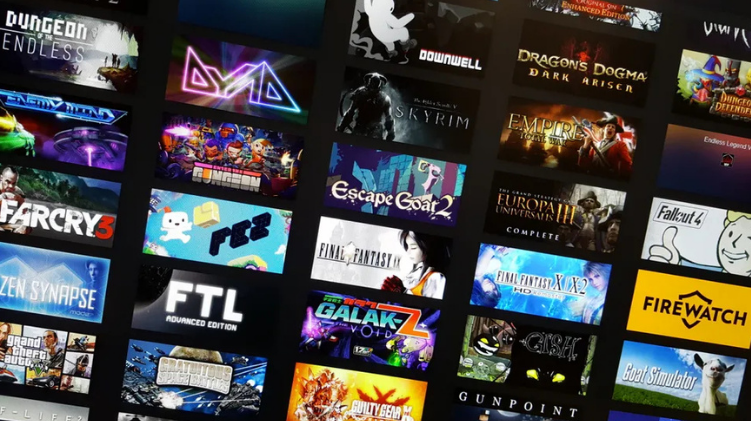
Image credit: PC Gamer
What Retail Checks Cover
The foundation of video game testing starts with a key question: is the game playable? Retail checks take this a step further by asking whether players can buy and access a game from the start, across every region you're selling in and every platform you're live on. That coverage extends to DLCs, in-game purchases, and subscriptions tied to a release. Anywhere money changes hands, there's a transaction that can quietly fail.
That's the gap that basic functional testing leaves. It confirms the game runs as designed, but not that a player in Brazil can complete a purchase for instance, or that the download fully resolves, or that the content unlocks once paid for. Those are storefront problems, not code problems, and they only show up when you test the sale itself.
What It Takes to Run Retail Checks Properly
A retail check looks straightforward from the outside – make a purchase, confirm it works. In practice, it's a carefully planned, evidence-driven process that runs across several teams and steps:
1. Define the Scope
The first step is defining exactly what needs to be validated. Products, pricing, regions, platform requirements, validation criteria, and release schedules all need to be clearly defined so the team knows exactly what's being verified, where it's being verified, and against what criteria.
That scope extends beyond the initial purchase itself. Not every DLC, subscription, or in-game purchase is immediately accessible. Some content sits behind a specific chapter, unlock condition, or hours of progression before it can be reached and validated. Understanding those requirements upfront helps teams estimate the effort involved and plan testing accordingly.
2. Prepare for Testing
Before testing begins, you need to have your foundations in place. That means platform-specific accounts, funded and configured for the right regions, with availability confirmed on each platform. Payment rules and available methods vary by storefront and region.
Preparation also extends beyond the test team. Different regions often require different payment approaches, while approvals, account funding, and procurement processes don't always move quickly. Finance and procurement teams are often involved, and delays here can push testing back before it even begins.
3. Execute the Purchase Journey
With content live, execution works through the full journey a real player takes. The team purchases the product, verifies the payment goes through, downloads the content, and validates that ownership and access both resolve correctly. From there, it confirms the content installs and plays as it should. Every purchase is captured with receipts and screenshots as evidence, both to verify the result and to maintain a clean financial record.
The output is a report the publisher can act on: a test summary, purchase verification results, pass/fail status, and any defects found, backed by screenshots, receipts, store URLs, and the platform and region tested. A clear account of what works, what doesn't, and where, enabling the publisher to quickly identify and address any launch-day issues before they impact a wider audience.

What Could Go Wrong Without Them?
Skip retail checks, and the failures don't show up in your studio. They show up on launch day, in front of everyone.
A broken purchase sequence, a download that won't resolve, content that won't unlock – none of it appears when the game itself is working fine in a test environment. It only surfaces when players start paying real money. That's the moment you have the least room to react.
Products can be published with incorrect pricing, regional availability settings, package configurations, or entitlement rules. In some cases, storefront errors have even resulted in games being briefly made available for free before the issue was discovered and corrected. In one example, players who claimed the title during that window later lost access when the mistake was reversed, forcing the platform holder to revoke entitlements and update affected accounts. Problems like these can create lost revenue, damage player trust, and require extensive remediation long after the original issue has been fixed.
Launch day is the worst possible time to find out. Player volume and visibility peaks, and every failed transaction is someone who paid and got nothing. Not everyone files a quiet bug report. Plenty just refund, and the loudest leave a review where the next buyer sees it. A launch window that should be building momentum starts bleeding it instead.
The frustrating part is that these are among the most preventable problems in a launch. The game is fine. The code is fine. What failed was the last few metres between the player's payment and their first minute of play – the part that only gets tested if someone thinks to test the sale itself.
Why an Experienced Team Matters
Retail checks come with challenges that often only become visible once testing is underway. The difference is knowing where they're likely to appear and accounting for them before they affect the schedule.
That knowledge applies throughout the process. Some delays surface during setup, while others appear once testing is underway. Teams that do this regularly know where the friction points tend to be and can adapt before they become larger problems.
The same is true during execution. Routine retail check activity, such as purchasing across regions or running repeated transactions, can trigger platform fraud-detection systems. Accounts can be restricted or blocked, creating delays that have nothing to do with the game itself. Some storefronts are more demanding than others, with platforms like Steam, PlayStation, Xbox, and Nintendo each enforcing their own fraud-prevention and regional-access controls.
Teams with retail testing experience have seen these challenges before – so you can expect fewer surprises, less time lost to avoidable issues, and confidence that the journey from purchase to play will work as intended.

The Bottom Line
Retail checks protect the one part of your launch you don't own. It's the moment a player pays and expects something in return. Done well, the check is invisible: players buy, download, and play.
Day one shouldn't be the first time a game purchase is tested. For over 30 years, Side has tested games across platforms – including the storefronts and regions where they actually meet their players.
If you've got a launch on the horizon and want the sale to work as well as the game does, let's talk.
Quotes
“Retail checks protect the one part of your launch you don't own. It's the moment a player pays and expects something in return.”
Frequently Asked Questions
What's the difference between retail checks and functional QA?
Retail checks and functional QA answer different questions. Functional QA determines whether the game functions correctly and performs as intended across its features and supported platforms. Retail checks verify whether the application or game is correctly available on the intended digital storefront and whether users can successfully locate, download, install, and launch it. These checks also validate the purchase and in-app purchase flows, ensuring that transactions can be completed successfully and that purchased games, content, or entitlements are accurately reflected in the user's game library, account, or storefront.
When should retail testing start?
Retail testing should start as early as scope allows. The setup alone takes time to arrange – regional accounts, working payment methods, approvals – and payment methods that differ by market stretch that further. Leave it late and testing gets compressed into the window where there's least room to fix what turns up. Early notice is the cheapest way to avoid that.
Which platforms are hardest to run retail checks on?
There isn't one universally hardest platform for retail checks. The level of difficulty depends on factors such as regional access rules, available payment methods, account requirements, and fraud-prevention controls. Storefronts with stricter regional restrictions or more aggressive fraud detection can be more challenging, particularly when teams need to make purchases across multiple regions or run repeated test transactions. In our experience, Steam is one platform where this can occur frequently, with legitimate retail testing activity sometimes triggering account restrictions.
What happens if you skip retail checks?
Skip retail checks, and the problems stay hidden until the worst possible moment. Nothing looks wrong while the game runs fine internally. The failure only appears once real buyers start paying, at the peak of launch-day traffic and attention. A purchase that breaks is a player who paid for nothing, and that surfaces fast in refunds and reviews.