

When launching a game or product, first impressions can make all the difference.
Even if the technical and visual aspects of your game are outstanding, poor translation and localization can be the tipping point between success and failure—especially in those first few crucial months of sales post-launch, a key period for maximizing audience reach.
Whether in video games, mobile apps, or movies, communication is key to driving engagement, so it’s crucial for your product to do so naturally in the user’s native language.
Yet, simply hiring a translator isn’t enough to ensure high-quality translation. Localizing your game successfully requires an understanding of the different roles involved, their objectives, and their work methodologies.
This article provides an overview of where Localization, Localization QA, and Transcreation fit into the development cycle, and why each one is crucial to get right before launching your game.
The stages of localization throughout game development
 Localization
Localization is the process of adapting a product’s content, including text and audio, to suit a specific language and culture. This goes beyond basic translation to account for cultural context, terminology, tone, and even character limits. The work of a translator within a localization team is foundational, forming the basis for how the game will communicate with players worldwide.
While they are typically responsible for game localization, translators may not always have in-depth knowledge of how language is used in everyday life in a specific region. For example, a translator may be fully fluent in Spanish but might not be familiar with the various regionalisms, expressions, and commonly used verbs both in Spain and throughout Latin America—which is why regional testing later in the process is so crucial.
Key responsibilities of the translator
The translator aims to produce the highest-quality translation in the shortest possible time. Localization usually begins during the Pre-Alpha Stage, when a functional product does not yet exist, since translators only need the finalized script to start their work.
Thus, the translator begins by receiving text files in the original language. These files typically lack context—meaning the translators don’t know where the text will appear, the maximum character limit to prevent text from overflowing, or what will be displayed on the screen.
Without full context, translators often can't tell what the mood or scenery is in a game, and it can be difficult to tell who is talking to whom or what in what manner the characters should be speaking. Even details such as gender can be easily missed when provided only with the raw text, but translators must use their best judgment at this stage in the process.
For instance, if a word has multiple possible translations, the translator uses their judgment to determine the most accurate one by reviewing the related text or selecting the most commonly used meaning.

The translator’s tools typically include:
- Various text files organized by different sections of the game or by planned updates throughout the year, if the game follows a live service model.
- A style guide outlining the linguistic rules and conventions that must be followed based on the game publisher’s preferences for character names, actions, or other relevant details such as titles and descriptions.
- If no style guide is available, the translator follows the official style conventions of the target language.
- A glossary containing key project-specific terms along with important details, such as grammatical gender (if applicable) and proper pluralization, meaning how to write the singular and plural forms correctly for any concepts that have been created ad hoc for the project.
- In some cases, visual references are provided, though they’re static: the translator cannot interact with them or see the final result.
- Ideally, character information sheets are also provided, with information on character traits, behavior patterns, weapons, skills, powers, weak points, gender, etc.
- Finally, if applicable, translation extracts from previous DLCs or related titles in a game series are also incredibly useful to translators for additional context.
Once the initial translation is complete, it’s integrated into the software or video game and passed on to the Localization QA (LQA) team. The translator will work with the LQA team, who will provide any missing context, since LQA testers interact directly with the final product.
 Localization QA
Localization Quality Assurance (LQA) testing typically occurs during the Alpha/Beta Stage, once the game has a working build. This is when the localized content is reviewed in context—as it appears in the actual game environment.
LQA testers are typically from the region you’re testing your game for. This is because they have an in-depth understanding of how the language is commonly used in the practical context of its everyday language use.
Key responsibilities of the LQA tester
An LQA tester ensures that a game’s text and audio sounds natural to a native speaker and is free from major linguistic, display, or contextual errors that could negatively impact the final product’s user experience. This involves conducting various verification tests on a product to ensure that it functions as intended across different languages and is properly adapted to the target culture(s), while respecting the quality and ideas of the original game.
LQA testers typically also have basic programming knowledge, as they work with macros and simple code, and are required to have at least some technical expertise in the platforms they test and prior experience using them.
While testing the game’s translation in context, LQA testers can identify common issues such as:
- Contextual errors: The translation uses a word that doesn’t match what is displayed on the screen, whether in terms of gender, quantity, placement, or because it refers to an entirely different item.
- Overflowing text: The text is too long, thus exceeding the designated space or appears cut off.
- Visible programming language: Instead of showing the intended icon or text, the corresponding programming code may appear.
- Display errors: Common errors include the audio being out of sync with the video, animations not playing correctly, elements appearing when they shouldn’t, or missing elements that should be visible, such as text or buttons.
- Other linguistic issues: Often due to tight deadlines and heavy workloads, minor spelling or grammatical mistakes may slip through, translator annotations may be left in, translations may be overly literal and sound unnatural in the target language, or the text may not be properly adapted to its context. Thanks to LQA testing, these issues can be detected and resolved before the product reaches end users.
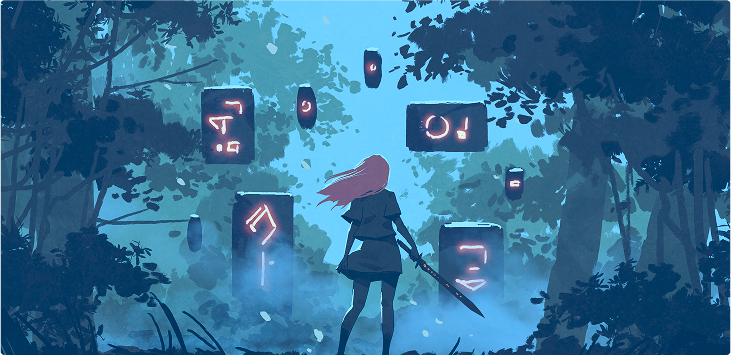
The LQA tester’s tools typically include:
- An organized test plan structured by different sections of the product to ensure all implemented text and audio are thoroughly reviewed.
- A database for reporting errors, where they communicate with the client and translator. This log includes details on where the issue was found, a suggested solution, and the steps to detect each instance as quickly as possible in the current development build of the product.
LQA testers work as a team, collaborating with testers for other languages to determine whether the same issue affects multiple versions of the game. Depending on the type of error, they either correct it by modifying the text or create a system bug report for the developers to resolve.
 Transcreation
Transcreation is the final localization step and occurs during the Go-To-Market Stage, just before launch. It focuses on adapting marketing content—including taglines, trailers, and social media campaigns—for different cultural audiences.
Transcreation is implemented once the game or product is complete, or at least sufficiently developed to start planning for promotion across various media channels.
Key responsibilities of the transcreator
The key distinction between transcreation specialists (also known as transcreators) and translators is that, while translators primarily focus on linguistic accuracy, transcreators have increased creative freedom to modify content to suit cultural nuances and resonate with local audiences. The primary roles of a transcreator are:
- Adapting marketing messages: Transcreators adapt slogans, social media content, and other marketing materials to ensure they are culturally relevant and impactful. They may change idioms, humor, and references in the source text to better align with the target audience's cultural context.
- Maintaining brand voice: Even with greater creative liberties and the ability to rewrite content, transcreators must ensure that the brand's voice and tone remain consistent across campaigns in different languages and regions. This involves understanding the brand's identity and how it aims to be perceived in various markets.
- Analyzing market response: Transcreators also are typically responsible for researching and analyzing past campaigns to understand what resonated with a given audience and how to refine future localized marketing efforts.
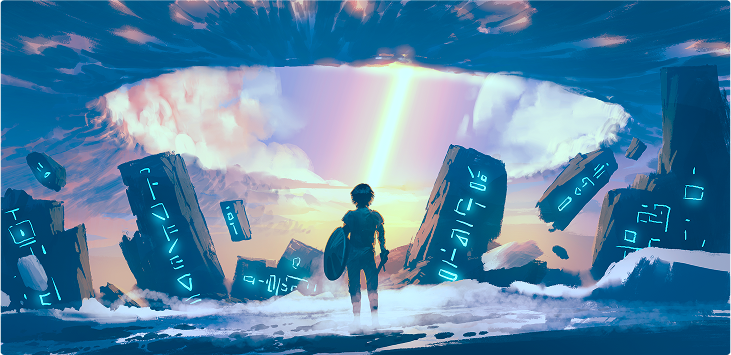
The transcreator’s tools typically include:
- Creative briefs and brand guidelines outlining the campaign objectives, brand voice, tone, target personas, and key messaging pillars to ensure alignment across all markets.
- Glossaries and terminology databases, provided by the localization or brand teams to ensure consistency in naming conventions, taglines, slogans, and key terms across markets.
- Localized market research reports, including consumer behavior insights, linguistic trends, and regional preferences that help shape culturally resonant messaging.
Why Translation, Localization Testing, and Transcreation Are Essential
To successfully launch a game or product that enhances your brand’s visibility and quality, all three roles are essential, each at their respective stages:
- The translator lays the foundation, ensuring the product’s text is accurately converted into the target language. However, since translators often work without full visual or contextual references, some issues such as character limits, tone mismatches, or terminology inconsistencies may arise.
- The LQA tester steps in next, reviewing the translation within the actual product. By interacting with the software, game, or app as a user would, they catch linguistic, display, and functional errors that weren’t apparent during the initial translation. They collaborate with translators to refine the text and ensure it fits the intended context.
- The transcreator takes the final step, adapting key messaging for marketing and promotional materials. Their goal is to ensure that branding, storytelling, and emotional impact remain strong across different regions. They work closely with translators and localization specialists to maintain consistency in tone and messaging.
This synergy between each role ensures that every aspect of the product—game dialogue, UI text, marketing campaigns, and more—feels natural, cohesive, and polished. Without this collaborative effort, even a great product can fall flat in international markets.
If you have questions about where to start when localizing your game or want to explore a partnership, get in touch with us today.