Melodie Showell may be early on in her career, but she’s already worked on some of the biggest games in the industry from our London studio as an Audio Engineer – from Split Fiction to Clair Obscur: Expedition 33.
Having started her career at Side as a Technical Audio Assistant nearly 2 years ago, Melodie has gone from strength to strength and was recently nominated for the Develop:Star – Tomorrow’s Star Award. We caught up with Melodie to learn more about her journey into the games industry with Side.
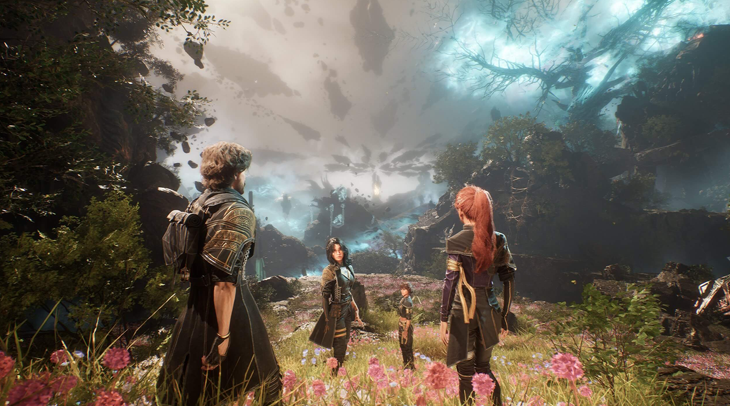
Image credit: Sandfall Games / Kepler Interactive
Working on the audio side of things requires a very specific skillset. How and when did you first decide you wanted to be an audio engineer?
I actually thought for a long time that I wanted to be a professional musician, playing clarinet, saxophone, and piano during my school days. My background is classically trained at the Royal College of Music and then at the University of Oxford where I got my Music BA. At Oxford, I fell in love with the Recording & Producing module and did a lot of electroacoustic composition, quickly realising how much I enjoy the technical side of sound, and decided to pursue working in a studio setting.
That’s a big shift! How did you make your way into the gaming industry from there?
Video games have played a huge role in my life for as long as I can remember, probably the only thing equal to music – so after uni I was determined to go after a career in game audio. I originally applied to Side for a runner position, and although the timing with that role didn’t work out, HR Director Zoe Griffiths was generous to keep my application on file and I later joined as a Technical Assistant on a casual contract.
I remember shadowing an Alan Wake II session on my first day and immediately knew I was in a special place. From there I was thankfully able to prove my skills and have been a full-time Audio Engineer for over a year now!
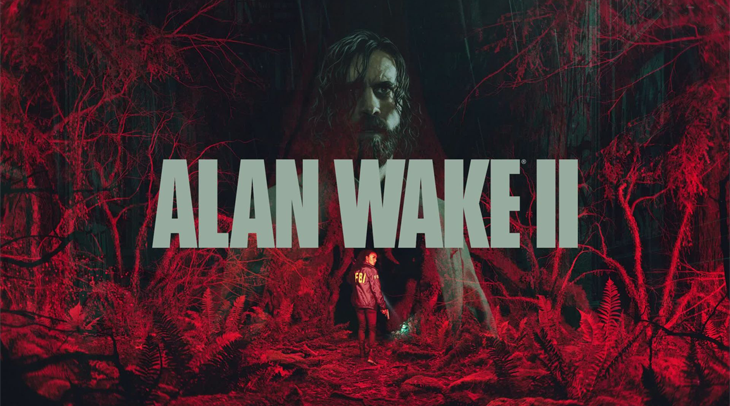
Image credit: Remedy Entertainment / Epic Games Publishing
No day is the same at Side when you work with all kinds of different partners and projects. Can you tell us about any new skills that you were able to develop along the way?
There is a wide variety of sessions, from the classic wild single-mic setup to strict lip-sync ADR sessions and the Metahuman facial capture setup to group walla sessions, which keeps the days interesting. One thing that I am grateful for within the engineering team is that it is encouraged to always try to learn new skills, keep up to date with changing technology, and think of ways we can improve our workflows. For example, I've been able to build tools using Python script and learn audio middleware like Wwise and FMOD between the recording sessions.
You’ve also taken more of a lead on the technical side of some of your projects recently – tell us about that.
It’s been a great experience to run the sound at various performance capture shoots with our partners at The Imaginarium Studios at Pinewood Studios. The setup, workflow, and skills required are very different to a normal session in our studio, and the most challenging difference for me was shifting my mindset from striving for the cleanest possible sound to the least noisy. You can’t always be too much of a perfectionist and if it’s not workable, then that’s what ADR is for!
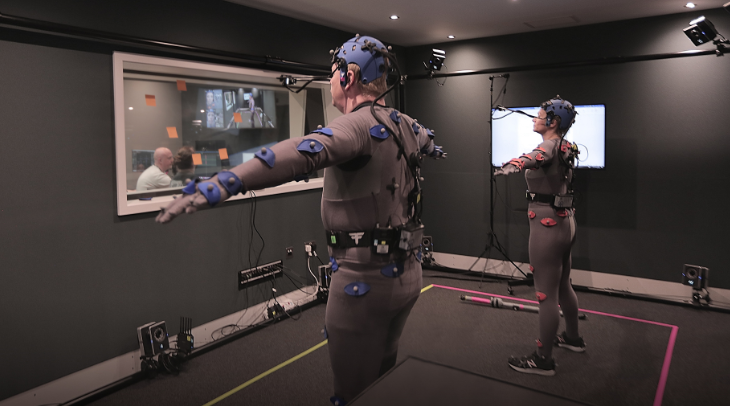
Mocap setup with Imaginarium Studios at Studio 1, Side London
You even earned your first head-mounted camera operator credit recently, how did that come about?
Never did I expect to get any kind of camera operator credit being an audio engineer – but you ultimately wear a lot of hats in this job! It’s been great to learn technical skills that extend beyond audio, and the first for me was for Hazelight’s Split Fiction. It’s a brilliant game, and let’s just say I don’t think I’ve ever laughed at the studio as much as during those sessions.
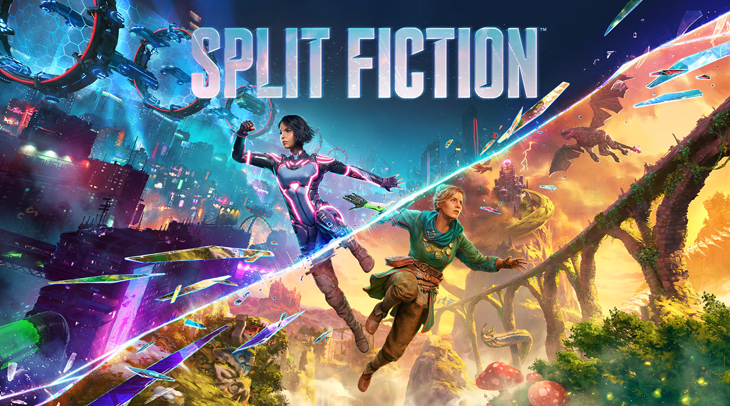
Image credit: Hazelight Studios / Electronic Arts
Having worked on both AAA and indie titles, are there any recent highlights you’re especially proud of?
One I loved working on that came out recently is Still Wakes the Deep: Siren’s Rest, the DLC to everyone’s favourite Scottish oil rig horror game. I’m a big fan of The Chinese Room and the sessions felt special, especially having multiple actors in the booth which doesn’t happen too often.
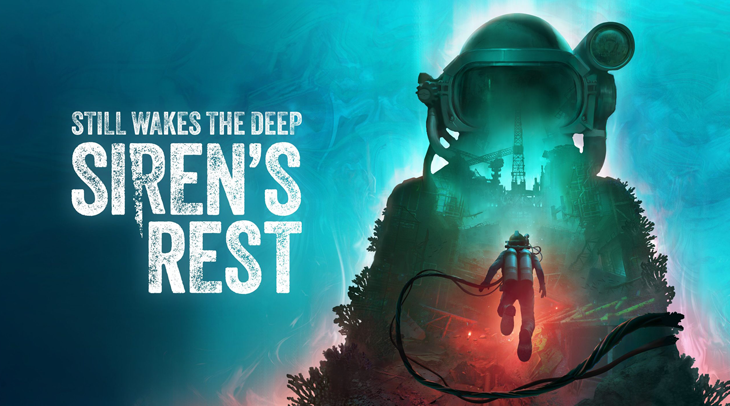
Image credit: The Chinese Room / Secret Mode
Looking ahead, where do you see your career going?
I’d love to continue working in game audio, mainly because it’s been so exciting to work with such incredible people who are equally passionate about games and sound. I was really inspired by Paola Velasquez’s talk on dialogue design at this year’s Develop conference in Brighton – specifically how the role often demands a creative approach to technical challenges in the integration of sound.
I’ve also started to compose again recently – shout out to my Limit Break mentor James Elsey, who has been my hero!
We shall see where my career goes, and with the constantly evolving technological landscape it’s hard to say in the long run, but I am looking forward to finding out.