
Victoria Howard has spent nearly a decade in casting and production, building her expertise from actor agencies to production coordination before establishing herself as a Casting Director – first in TV, then video games. At Side, she's helped bring characters to life across major AAA franchises and acclaimed indie titles alike.
We sat down with Victoria to talk about what makes video game casting unique, how she approaches briefs for projects of all scales, and why taking creative risks can uncover the perfect talent for iconic roles.
Tell us about your career journey so far – how did you first find your way into the casting world?
From a young age I knew I wanted a career in casting. I started working at an acting agency for several years, which helped me build experience talking with casting directors and working with actors.
After that, I worked in production as a Production Coordinator before formally establishing myself in casting. I started as an assistant and gradually progressed to Casting Director on various projects.
What's the first thing you look for when starting a new brief?
When beginning the casting process for a project, you typically receive information about the characters, the wider world, and the story arc. This context is crucial because the setting informs which types of actors will thrive in the roles.
For instance, vocal performance versus full performance capture suits different actors. A shooter game where the actor needs to exert a lot of vocal energy (like shouts and physicality) in their sessions requires a totally different skillset compared to a U-rated children's game where the focus may be more on finding actors with multi-rolling experience and a host of characterful voices under their belt.
My initial focus when reviewing character biographies is always the character's age, gender, and ethnicity – these details are essential to ensure accurate and authentic casting. Beyond that, I look for descriptive keywords that indicate the character's vocal qualities, personality traits, or any other attributes that distinguish them from other characters within the game's world.
What do people outside the industry often misunderstand about game casting?
There’s an assumption that voice actors are different to actors for stage or screen. This couldn't be further from the truth. It's actually quite rare that an actor for games is just a voice actor. Often, the actors we work with for mocap projects come from theatrical backgrounds. Similarly, for narrative-driven games that require natural performances, we rely on actors with TV/screen experience.
At the same time, casting for games is very different to casting TV, film, or theatre projects. We have the freedom to listen purely to the actor's voice and watch their showreel to gain an understanding of them as an actor without the bias of how they look. We could cast a 50-year-old woman to voice a 5-year-old girl, or a man in his 20s to voice a thousand-year-old troll in games! Obviously, we're always casting responsibly when it comes to gender and ethnicity, but the extra freedom we get in casting games is creatively very exciting.

What does it take to succeed as a casting professional in today's industry? Are there any skills or qualities needed to stand out?
You need to be willing to put in some work outside of typical office hours, whether that's going to see new shows, watching graduate showcases, or holding workshops to meet new actors. It's really important to be constantly expanding your actor database and meeting new talent.
You also need to be willing to take risks. I always try to put a wildcard in with my initial options for first round auditions. That can mean presenting a new actor or someone with a different sound or performance style. It's also important to provide the client with contrast, like someone who wasn't in line with their initial direction but will bring something unique to the character.
Casting is a very creative industry, so the most important skill to have is seeing potential in actors and sometimes thinking outside the box when it comes to casting briefs.
You've worked across a wide range of titles. How do you approach indie games versus AAA franchises?
The approach differs based on the client's budget and their vision for the overall scale of the title. With AAA titles, the budget may allow for the involvement of high-profile talent. This requires balancing the artistic needs of the project with considerations around brand alignment, audience expectations, and the often-demanding schedules of well-known actors.
However, it’s essential to treat every game – regardless of size or budget – with equal care and attention. Developers spend years creating these worlds and rely on you to bring them to life. So, I always aim to create the best outcome.
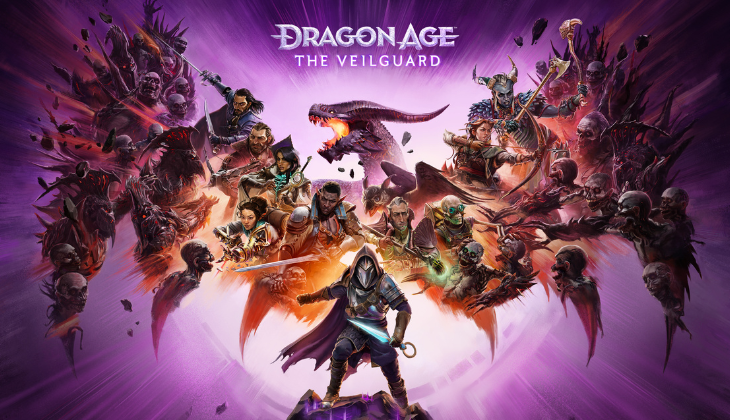
Image credit: Bioware / Electronic Arts
Do you have a favorite project that you've worked on to date? What made it special?
I couldn't possibly choose! People obviously love Clair Obscur: Expedition 33, which brings me so much joy. It was such an incredible project to be a part of and the team behind it was super passionate. Dragon Age: The Veilguard will also always hold a very dear place in my heart, as casting Bryony Corrigan and Alex Jordan in their leading roles for this game was my first project at Side. I've also been lucky to work on Final Fantasy XIV and Disney's Tron which are such epic titles to be a part of! I'm working on some really exciting titles at the moment which I can't wait to see released.
But honestly, every project I've worked on I love for different reasons. Some projects were challenging; others meant casting someone for their first time in a video game, or the game subject really resonated with me.
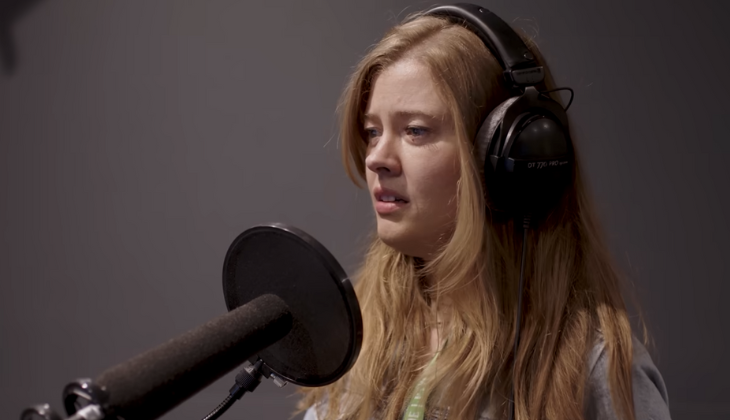
Jennifer English in the booth at Side London
Clair Obscur: Expedition 33 has just swept The Game Awards, winning a record number of awards, including Best Performer for Jennifer English. How did you balance casting established video game talent with less experienced actors for this project?
It was important to ensure we didn't just rely on established video game talent but also explored actors who might not have had as much booth experience.
I knew that our incredible director Joanna Green could guide actors who had slightly less experience in the booth – so I had the freedom to focus on actors who would be the best fit. I believe it's really important to give actors the opportunity to take on leading roles regardless of their experience if I feel from auditioning them or watching their reels that they could bring something special to the role.
This is what I love about this cast – I managed to secure some gaming legends (such as Ben Starr and Jennifer English) who delivered the iconic performances fans always expect from them, but also got the opportunity to showcase newer and upcoming talent which is very important to me.
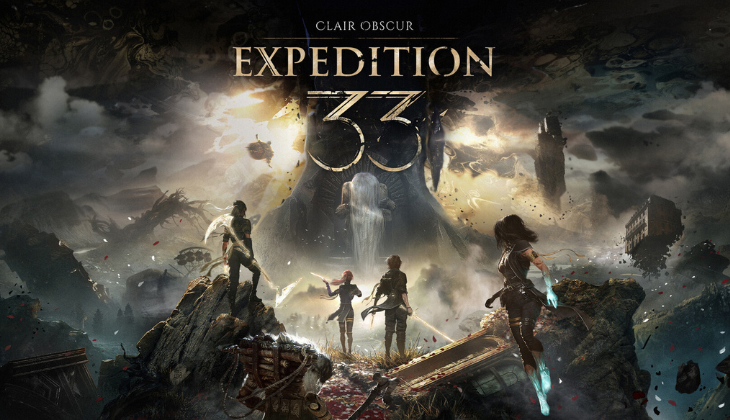
Image credit: Sandfall Interactive / Kepler Interactive
Across all the projects you've touched, what have been some of the most challenging parts of helping bring these characters to life?
The most challenging projects are those with very specific briefs and small talent pools because it means you're starting with limited options. But these often become the most rewarding as they push you to find new talent.
It’s also challenging when you’re handed a vague brief with many (sometimes misaligned) character references. These projects demand a bit of guesswork to uncover who the character really is. In these situations, I try to put forward a diverse talent pool to cover all the bases. These can also be the most fun because you get the opportunity to leave your mark on the characters.
Do you have any advice for anyone looking to step into a casting role or into the games industry more generally?
When it comes to casting, the most important thing you can do is research. Look into different casting directors, the types of projects they work on, and reach out to see if you might be able to shadow them for a day or two, or see if they're hiring. Stay up to date with the latest TV, film, and theatre productions – see new work whenever you can and build your knowledge of actors.
Most people move into casting after working in production or at a talent agency, as the skills are closely related. If you're applying for casting roles and feel like you're not making progress, consider exploring related positions in those areas – who knows, you might even discover another part of the industry you love too!
Quotes
“Casting is a very creative industry, so the most important skill to have is seeing potential in actors and sometimes thinking outside the box.”