Today's most successful IP owners aren't confined to a single medium—they expand across platforms, telling stories that flow between screens, pages, and immersive experiences.
The Last of Us evolved from an acclaimed video game to an HBO phenomenon. The recently released Minecraft movie shattered box office expectations with its massive success. And established franchises like Harry Potter, Alien, and Indiana Jones are discovering powerful second lives in video games.
This pattern isn't coincidence—it's strategic.
Games stand out as a particularly valuable extension for IPs, offering unique opportunities that other mediums simply can't match. They transform stories into worlds that audiences can inhabit. These interactive environments grow alongside their communities, generating sustainable long-term value while opening entirely new creative frontiers.
Wondering if your IP is worth turning into a game?
Below, we explore why forward-thinking IP holders are expanding into gaming—and how the right development partner can transform your narrative into a living ecosystem that drives audience engagement while unlocking sustainable growth opportunities.
Why You Should Adapt Your IP Into A Video Game
For most fans, the worst part of any series is finishing it—if people love your story, they don’t want it to end.
However, continuing a show, movie, or series of books can be quite challenging. That’s where turning your IP into a game can breathe fresh life into your world. But there’s a lot more you can unlock by adapting your story into a game.
1. Building On Your World & Giving Fans A New Way To Immerse Themselves In It
Games offer a way to expand your narrative universe without exhausting it. They create opportunities to explore untold backstories, alternate timelines, or events happening in parallel with the original plot. Your imagination is the limit!
While some IP holders have traditionally simply retold their story through a game, that’s no longer the ideal approach.
We asked our Senior Director and Head of Codev, Alejandro García-Tuñón, to weigh in the phenomenon, to which he commented:
Quotes
“The number one reason to adapt an IP into a game is to expand the canon in ways that respect the world’s existing rules. Anything less is outdated—audiences today are quick to recognize when a project was made more for profit and lacks care and intention.”
Thus, expanding your IP gives fans a novel experience within a world they already love. It allows them to stay connected to your story in a more immersive way, giving them the opportunity to carve their own path within the universe you've created.
And it's not just existing fans you're reaching: with the right mechanics and narrative design, you can attract entirely new audiences who might discover your original IP through the game itself.
2. Reach New Audiences
When a franchise expands into games, it taps into one of the largest entertainment markets in the world. Billions of players who may never pick up a novel or binge a series will happily spend dozens of hours inside a great game.
A great example is The Witcher games. What started as a book series took the gaming world by storm with three main standalone games (most notably The Witcher 3: The Wild Hunt), two expansion packs, and seven spin-off games. The game was so popular that its success didn’t stop at the console—a Netflix series followed, along with several animated films.
One format fed into the other, creating a loop of interest and engagement from multiple—now overlapping—markets, leading to a significant boost in revenue.
3. Increase Revenue
For IP owners, expanding into video games creates sustainable income streams that extend well beyond the initial release. Games are designed for continuous growth—from in-game purchases and downloadable content to merchandise partnerships, collector's editions, and innovative cross-promotional campaigns that can introduce entirely new products and services.
And if marketed properly, adaptations create a ripple effect across formats. A strong release can reignite interest in the original material, drive streaming numbers, boost merchandise, and even create momentum for future media projects. For instance, when the Cyberpunk: Edgerunners Netflix series aired, Cyberpunk 2077 saw a massive spike in player count.
When strategically timed, you create a profitable feedback loop:
- A great adaptation drives attention back to the core IP
- That renewed interest increases demand across platforms
- Studios reinvest in expanding the world (and fans keep getting what they want)
The bottom line: a strategic gaming adaptation doesn't just extend an IP's lifecycle—it transforms it into an evolving ecosystem where fan engagement and business growth continuously reinforce each other.
Franchises Seeing Success in Games
Video game adaptations haven’t always had the best reputation. As Alejandro puts it, “There was a time when video game adaptations of movies and shows were treated as afterthoughts... back when games were still considered toys.”
That perception has shifted dramatically.
Today, major franchises are embracing games as a respected artistic medium and a core part of their storytelling strategy—and the results speak for themselves.
Harry Potter
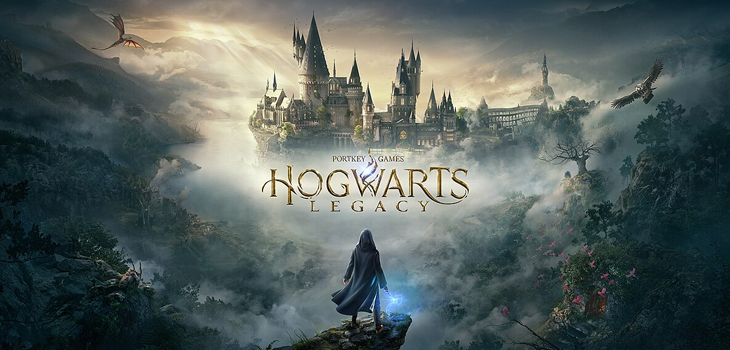
Hogwarts Legacy became one of the most successful game launches in recent years because it delivered something the books and films never could: the chance to be a student at Hogwarts. It expanded the universe with original characters and storylines, while letting players craft their own magical journey.
Spider-Man
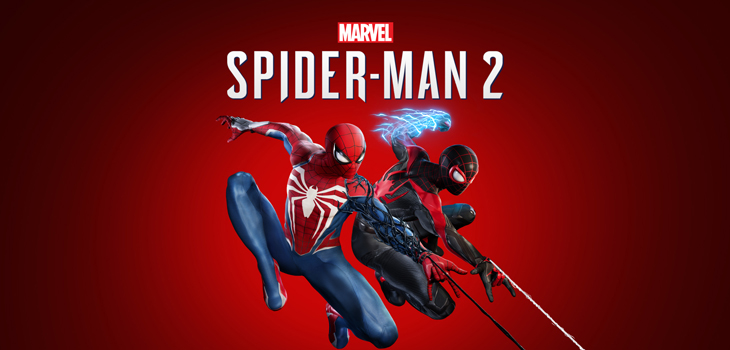
Insomniac’s Spider-Man games, such as the most recent, critically acclaimed Marvel’s Spider-Man 2, set a new benchmark for superhero adaptations. With fluid traversal mechanics, emotionally grounded storytelling, and an open-world New York City teeming with detail, they created a standalone experience that rivals the popularity of the films and comics.
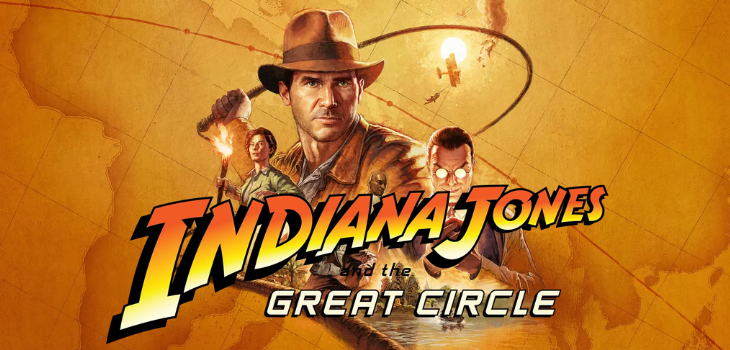
Indiana Jones
2024’s Indiana Jones and the Great Circle reflects a shift in how studios approach legacy IP. Instead of a gimmicky tie-in, the game is positioned as a full-fledged entry in the franchise—built with a blockbuster budget and designed to capture the thrill of adventure, mystery, and exploration that made the original films iconic.
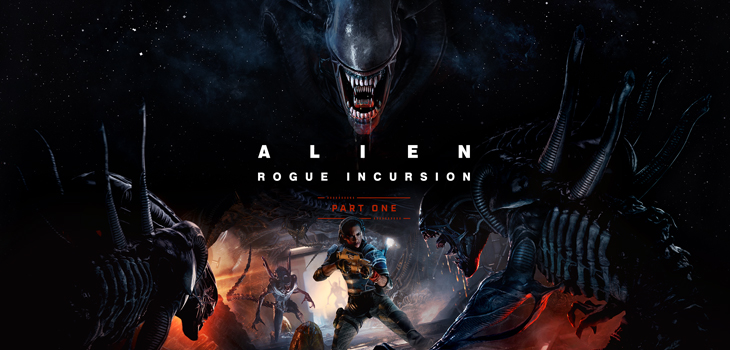
Alien
With its claustrophobic atmosphere and tension-driven pacing, the Alien franchise was practically made for interactive horror. The recent VR title Alien: Rogue Incursion leans into these strengths and amplifies the psychological dread the films are known for, making players part of the terror.
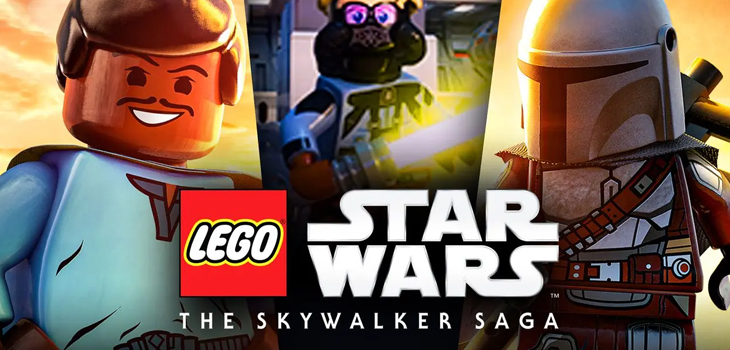
Star Wars
From Knights of the Old Republic to LEGO Star Wars: The Skywalker Saga, Star Wars games have consistently shown that the galaxy far, far away thrives when handed to players. These games aren’t side stories—they’re experiences that explore moral complexity, rich lore, branching choices, and in some cases, humor. With plenty of games aimed at younger and older players alike, there are so many success stories that stay true to the heart of the franchise.
And the list goes on.
How Do You Create A Successful Game Adaptation?
The most impactful game adaptations transform IP by focusing on three critical elements: expansive worldbuilding that invites exploration, memorable characters brought to life through exceptional performances, and gameplay mechanics that authentically extend the universe.
Build Worlds, Not Just Plots
A compelling story is important, but what makes a franchise game-ready is worldbuilding. The most successful adaptations come from IPs with rich lore, layered characters, and the kind of narrative depth that begs to be explored.
In short:
- Lore density fuels replayability. When players feel like there’s always more to uncover—hidden histories, unspoken tensions, off-screen events—they stay invested.
- Think in seasons and spin-offs. Design your universe to support multiple arcs, side stories, and perspectives. If the main character disappears, what happens next?
- Leave space for mystery. Not everything has to be explained in the game. Gaps in the narrative give future storytellers room to expand the universe.
Games like Hogwarts Legacy, Indiana Jones and the Great Circle, and Star Wars: Knights of the Old Republic show how iconic IPs can be reimagined into rich, playable worlds. These adaptations don’t just revisit familiar stories—they expand them, offering fans untold adventures and the freedom to explore worlds in entirely new ways.
Creating Emotional Anchors Through Your Characters
While worldbuilding sets the stage, characters provide the emotional core that players attach to. Relatable protagonists with clear motivations, flaws, and growth arcs are what reel people in. The most successful adaptations create characters that feel authentic to the source material and help paint the picture of the world.
Think of Geralt's cold demeanor as he navigates the ruthless Continent in The Witcher series, as portrayed by actor Doug Cockle. His stoic exterior and dry wit mask a complex moral code that players explore through difficult choices. This characterization gives players an anchor as they traverse a morally ambiguous fantasy realm. The character becomes their guide to understanding the world's harsh realities.
While character design and writing form the foundation, voice performance can also serve as a powerful technique to get players excited about the game. For instance, when the Cyberpunk 2077 team cast Keanu Reeves as Johnny Silverhand, it created immediate recognition beyond gaming audiences.
The best adaptations ensure character development isn't limited to cutscenes. It's woven throughout gameplay moments, environmental storytelling, and player choice—creating emotional connections that deepen immersion and investment in your world.
Create A Game That People Love
To create a successful adaptation, the game itself must be engaging. This means selecting gameplay that authentically extends your IP.
Is your world better suited for open-world exploration or a tightly scripted experience? Do your characters naturally fit role-playing mechanics or squad-based action? The gameplay should feel like a natural extension of your universe, not forced.
The best adaptations ask:
- What player experience fits this world?
- What decisions feel meaningful in this universe?
- What mechanics bring fans closer to the story?
That's where having a collaborative development partner can make all the difference.
Finding the Right Partner
Adapting an established IP into a game is a complex, multidisciplinary undertaking. Success hinges not just on translating visual aesthetics, but on capturing the essence of what makes the world compelling in the first place.
The most effective adaptations bring together technical teams that include narrative designers, systems engineers, art directors, audio specialists, and QA experts from day one—creating a collaborative environment where the IP's integrity remains central to every decision. This integrated approach ensures that gameplay mechanics enhance rather than compromise the world's established rules and feeling.
When selecting a co-development partner for your IP, several factors deserve careful consideration. Look for teams with proven experience adapting stories into games. Their portfolio should show they can maintain a world's essence while making it interactive. You should also evaluate their technical infrastructure and whether it can scale to support your ambitions. Most importantly, assess their collaborative approach: the right partner views adaptation as a dialogue rather than a handoff, involving IP holders throughout the creative and technical decision-making process.
Looking beyond launch is equally crucial. Today's most successful game adaptations are built with evolution in mind. They incorporate technical frameworks that support community feedback, narrative expansions, and gameplay refinements. When players see their input shaping the experience, they transform from passive consumers into invested participants, extending both engagement and commercial potential for years beyond initial release.
Turning Stories into Experiences
The most enduring fictional worlds are those that evolve beyond their original medium. With games now claiming the majority of the entertainment market, they offer IP owners a powerful way to engage audiences with unique interactive experiences within their established stories.
Memorable games emerge from partnerships that respect source material while applying specialized expertise to gameplay. When IP holders and developers collaborate closely, the result feels both authentic and fresh—creating deeper fan connections and opportunities for long-term growth.
If you’re curious about turning your IP into a game or if you simply want to learn more about the adaptation process, our Codev team has over 25 years’ experience working with some of the most successful franchises and studios of the past decade, including EA, Gearbox Software, Bethesda Game Studios, and 2K. Get in touch and let’s see what we can build together.