

What goes into crafting compelling voiceover (VO) performances for games?
For many developers, the process can feel like stepping into a dark sound booth without a script.
So, we figured it was time to switch on the lights and offer a practical guide for anyone working with game audio, localization, and casting to navigate the entire VO production pipeline with confidence.
This guide is the product of insights from Sini Downing, our Creative Director of Global Audio Production at Side, drawing on her nearly two decades of experience working on award-winning titles like The Witcher series, Assassin’s Creed: Syndicate, and Final Fantasy XVI. Over the years, she’s helped dev studios of all sizes navigate the complex worlds of casting, directing, recording, and post-production to deliver unforgettable performances in their games.
To start, before actors even step into a booth, let’s see why coming prepared and casting the right voices is key for success.
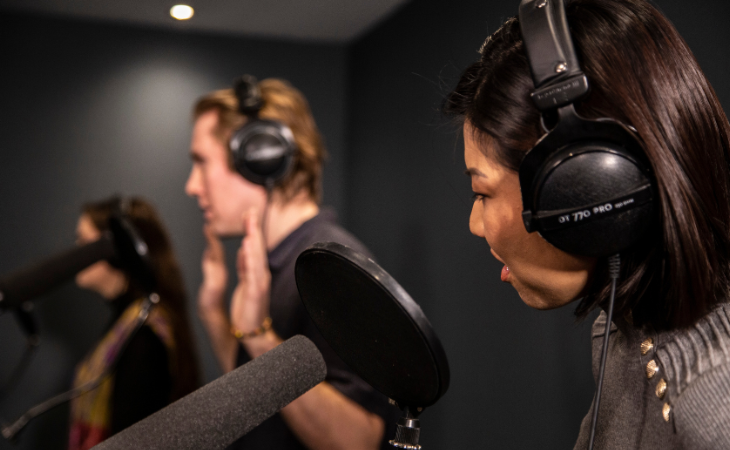
Budget & Timeline
Studio vs. Home Recording
So, you want voiced characters in your game?
You’ll want to start by creating an actionable plan – a roadmap that accounts for various factors (foreseen and unforeseen) that can affect the full VO production.
And the first order of business is determining the optimal VO recording setup for your game.
The pandemic fundamentally transformed voiceover production, with home recording setups becoming a viable option for many developers. Modern VO technology allows voice actors to deliver decent recordings from their own personal spaces, making game audio more accessible, flexible, and seemingly more affordable.
However, "cheaper" doesn’t necessarily translate to "better."
At Side, we’ve vetted our fair share of home recording environments and can conclude not all setups are the same: inconsistent microphone quality, unreliable internet connections, and ineffective soundproofing can slow sessions down. The more actors you are recording, the more environments and more mic types you’re dealing with. They can all sound different, which can lead to more post-production time and cost.
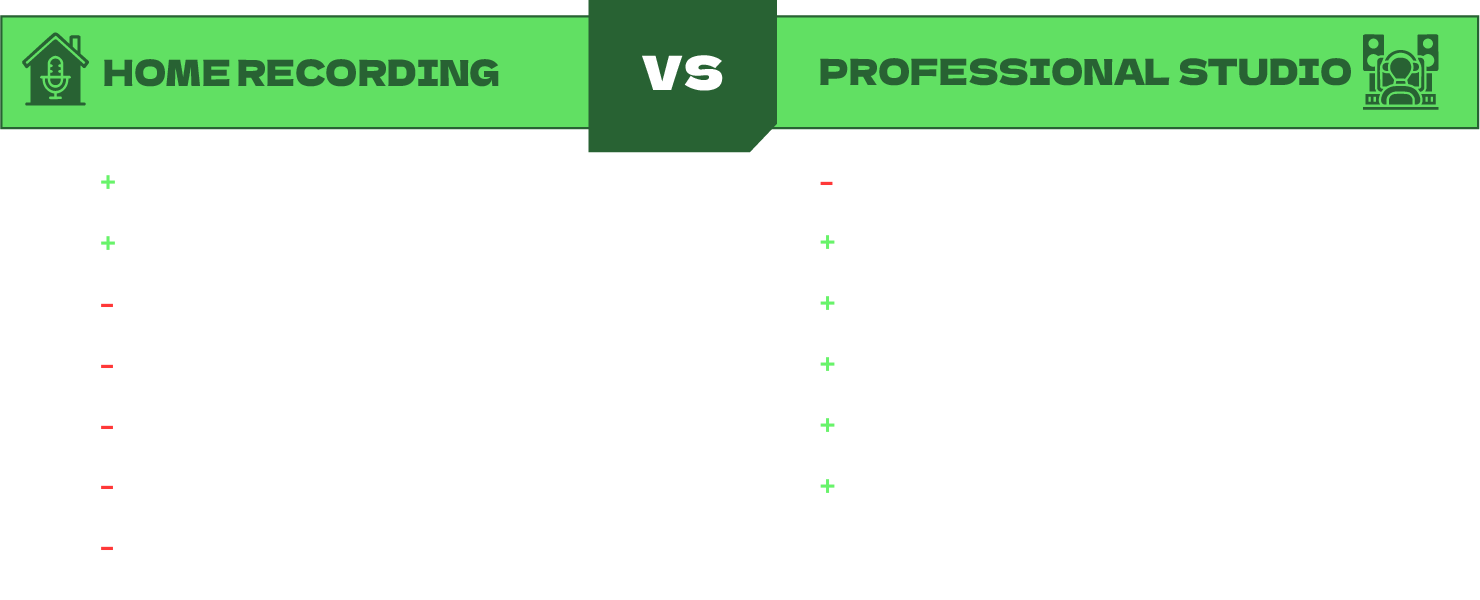
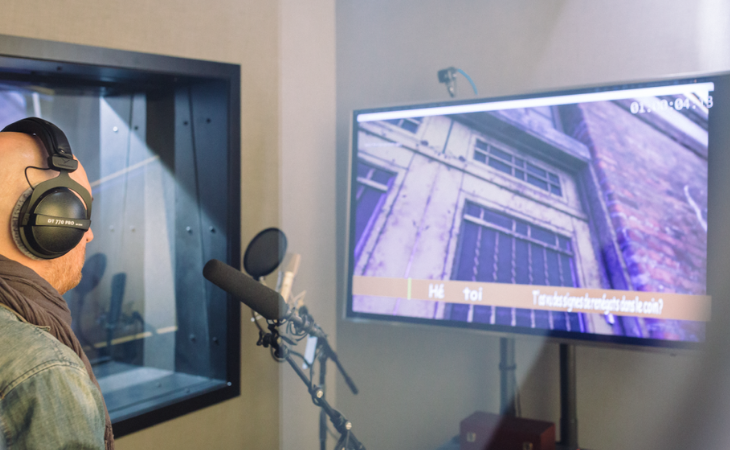
Professional studios provide consistent audio quality: you’re getting a sound-treated environment and a team of trained ears that catch the subtle sound issues that can be easily missed. An audio production company can also provide production managers, casting coordinators, and post-production specialists dedicated to delivering implementation-ready files. Do not underestimate how much these experts can help you run this part of the production.
In general, home setups can work well for smaller projects of one to two cast members. However, complexity increases rapidly as production scales. If you have more than a couple of cast members and a script exceeding a couple hundred words, it’s time to go pro.
Getting the Right Quote (and Avoiding Surprises)
Starting the voiceover budgeting process doesn't demand a finalized script, but it does require specific information like how many different voices you'll need, word and line counts, timing or performance constraints, and post-production specifications to get accurate quotes.
Perhaps most crucial is understanding recording speed – how many words per hour can be realistically recorded. For instance, your primary language version records "wild" (without timing constraints). While most localized versions will often maintain a good record speed as they match the lead language’s performances, many English recordings localizing a different original language (e.g. Chinese-to-English) tend to need additional studio preparation and have slower recording rates. You can set the record speeds and ask your production company to verify them, or they can advise based on your assets, requirements such as facial capture, and the complexity of your script.
It’s best to request itemized quotes that break down casting costs, studio time, director fees, actor hours, post-production, and any other additional charges. Don’t forget extras such as asset prep, performance direction, and mastering. Detailed breakdowns allow you to make comparisons between vendors and understand exactly what each service includes. The key is to be specific about your requirements and expect the same clarity from your vendors.
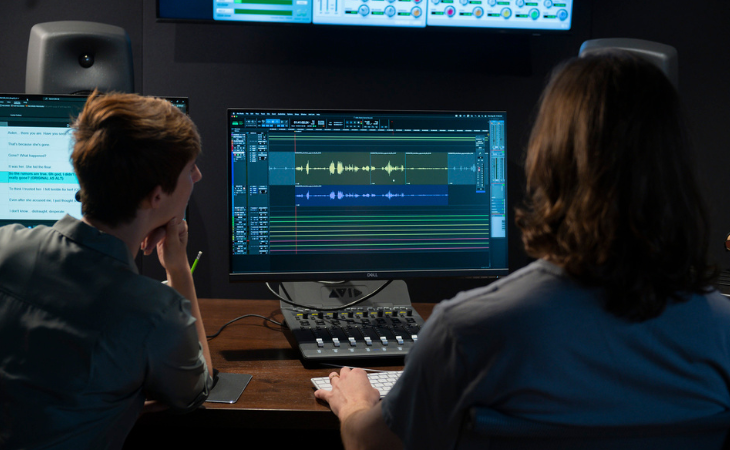
Timelines and Planning
All game development works on a pipeline plan, and voiceover production is no different. Understanding the stages of VO and agreeing on a comprehensive timeline is going to help you make the most of your budget and get the best performances from your cast.
Before recording, you'll need:
-
- A polished script (especially if it's being translated)
- Character bios and audition lines for casting
- Finalized file naming conventions
- Prepped assets (e.g. video references)
During recording, you’ll provide:
-
- Quick context and feedback (don’t burn studio time)
- Clearly labeled script updates
During recording, your production company will provide:
-
- Rolling schedules
- Updates on recording progress
- Any issues with file naming
After recording, you're looking at:
-
- Post-production and mastering
- QA testing
- Pickup recordings for re-dos and missed lines
- Implementation in-game
Experienced vendors, such as Side, often have timeline templates to help visualize the production arc – use them. Building your roadmap early means fewer surprises later.
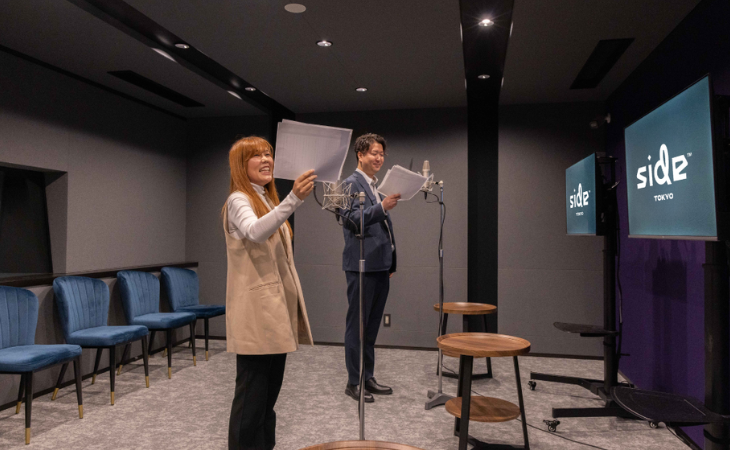
Casting
How do you find the best performers for your game?
Before sending scripts and listening to auditions, consider where you're recording. Factors like time zones, travel costs, union regulations, and talent availability all play a role in determining the optimal recording location.
Going Global with Cyberpunk 2077
For example, to meet the demands of Cyberpunk 2077’s massive open-world narrative, the VO production was split between Side’s studios in London and LA. This setup allowed us to take advantage of access to a broader talent pool, and the time zone differences gave us up to 16 hours of dialogue recording per day.
https://www.youtube.com/watch?v=X_Sh9X1iWtI
With daily script updates, coordinated session handovers, and a streamlined review process, the team maintained high-quality performance across the two locations and thousands of lines – proving that global collaboration, when well-managed, scales beautifully. Since then, we’ve expanded and have regularly run projects across 3 to 5 Side studios globally!
Who to Cast?
Great casting starts long before the first audition. It begins with a clear, well-defined character brief. At a minimum, you should know the character's gender, age, accent, and ethnicity. After that, it’s all storytelling. The more specific you are, the easier it is to narrow down options to the top candidates, keeping in mind that a real-life person needs to be found to bring your wonderful characters to life!
When it comes to actually finding talent, working with experienced casting teams makes all the difference. They don’t just know actors – they know the right actors. They have strong working relationships with agents, keep up to date with new talent, and can quickly identify performers who share a cultural background, lived experience, and have the skills to bring a powerful and nuanced performance to a role.
Once you’ve shortlisted candidates, it’s time to select suitable actors for your game. Self-tapes and demo reels are useful, but nothing beats a live, directed audition. Whether in-studio or remote, a directed session reveals how an actor interprets feedback, adapts to tone shifts, and inhabits the role. That first recording session in the booth is not the time to discover your lead can’t take direction or maintain the required accent.
Quotes
“Great casting starts long before the first audition. It begins with a clear, well-defined character brief.”
Get Me a Star! Hiring High Profile Talent
Everyone wants that moment when the player says, "Wait – is that…?"
But landing a big-name actor isn't just about the name. It's about finding the right fit for your game, character, and budget. Before reaching for star power, you should ask yourself:
- Is this about performance or marketing – or both?
- Does the actor align with the tone and genre of the game?
- Can you actually afford them?
There's no rate card for high-profile talent. Fees are shaped by recent work, upcoming roles, agency relationships, and even personal circumstances. An experienced casting director or production company can aid in assessing your celebrity wish list against your budget, advise on offers, come up with viable options, and negotiate the deal for you.
Recap
Your game's voiceover production starts long before anyone steps into a booth. Getting it right requires accurate budgeting, careful decisions about recording environments, detailed timeline planning, and casting the right talent for your characters.
These planning stages set the foundation for everything that follows. Skip the prep work, and you might pay for it later in wasted studio time, rushed performances, or costly reshoots. But if you nail the groundwork, handling the rest of the project becomes significantly smoother.
In Part 2 of this guide, we cover direction, production management, and post-production– everything needed to turn your planning into performances that bring your characters to life.
Want to learn more about setting the foundation for your voice production? We’d love to chat.