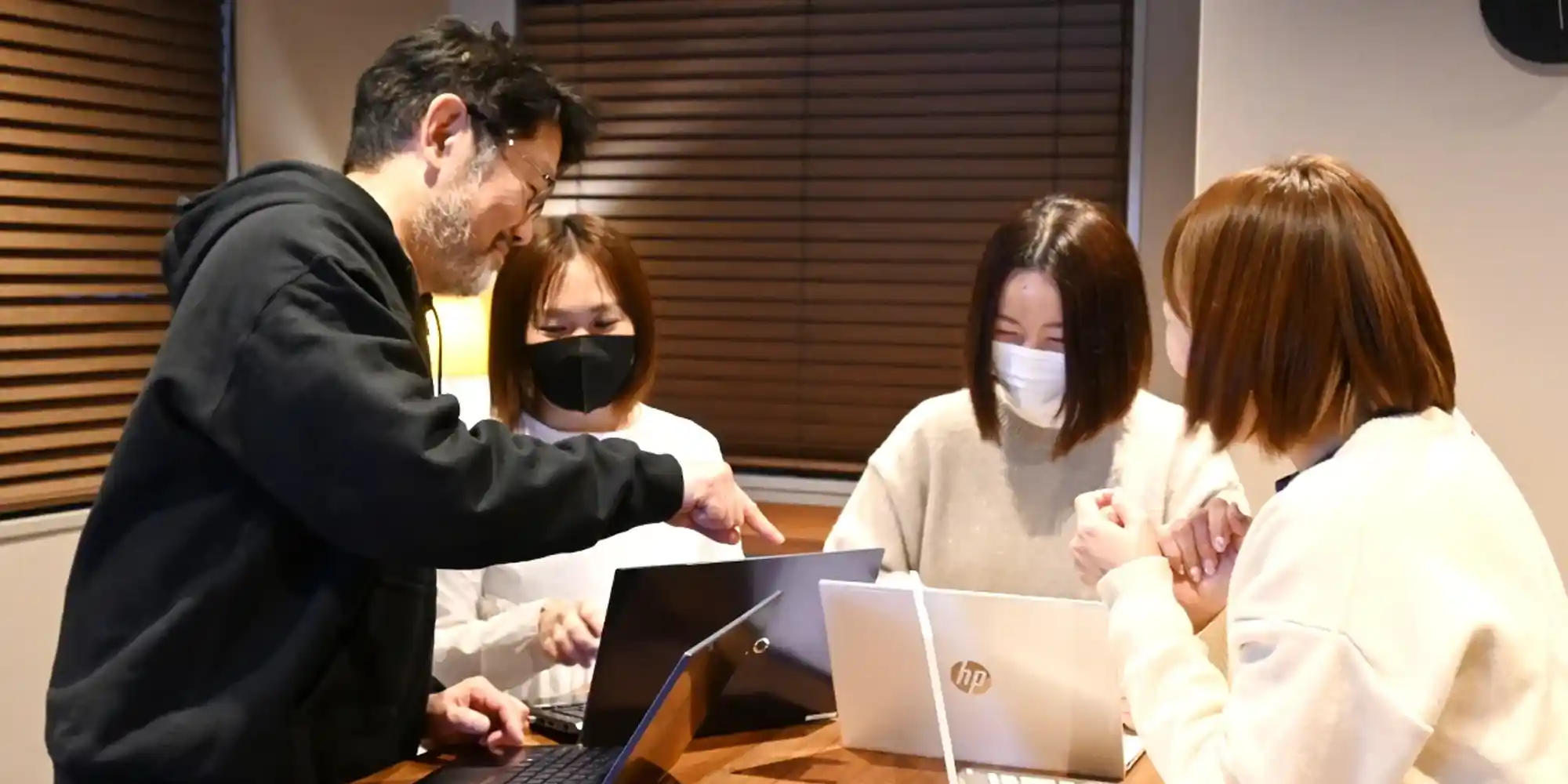
Behind every successful live service game is a skilled, empathetic Player Support team balancing speed and quality in real time, with the ultimate goal of keeping players engaged and getting them back in the game.
At Side Tokyo, that work is led by a team that has grown significantly over the last few years while staying closely connected to the realities of frontline support. Meet the team behind our daily operations and learn about their career journeys, what they find the most rewarding, and how they approach the challenges of supporting players at scale.
The following interview was conducted in person by a member of our HR team in Japan. Please enjoy!
Meet the Team
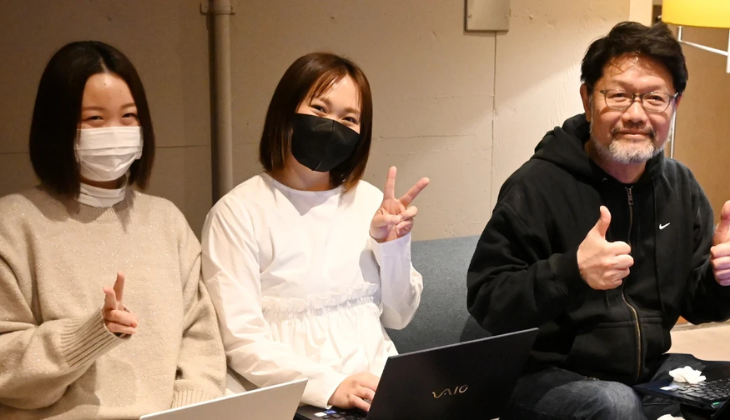
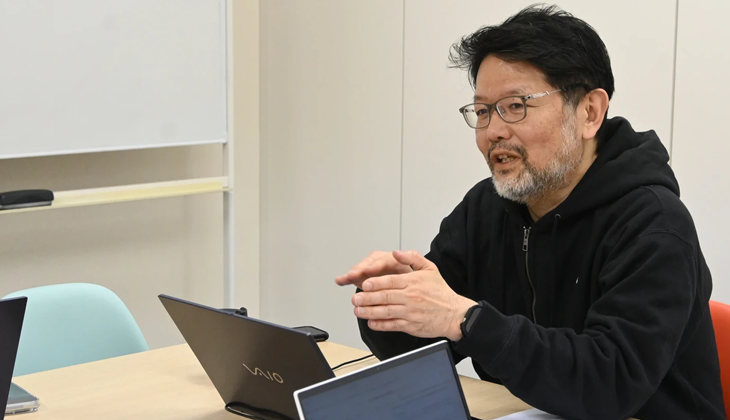
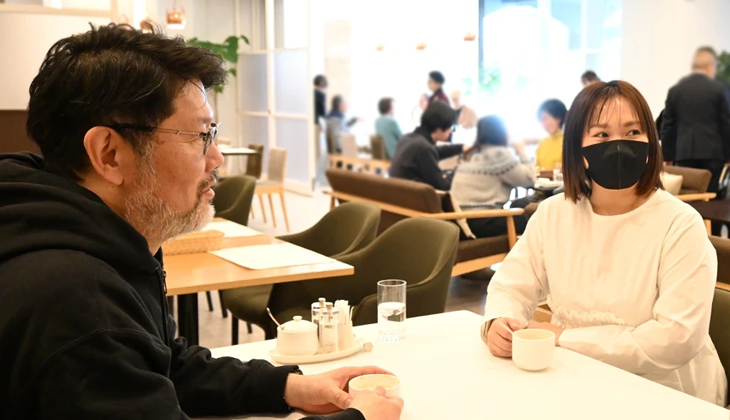
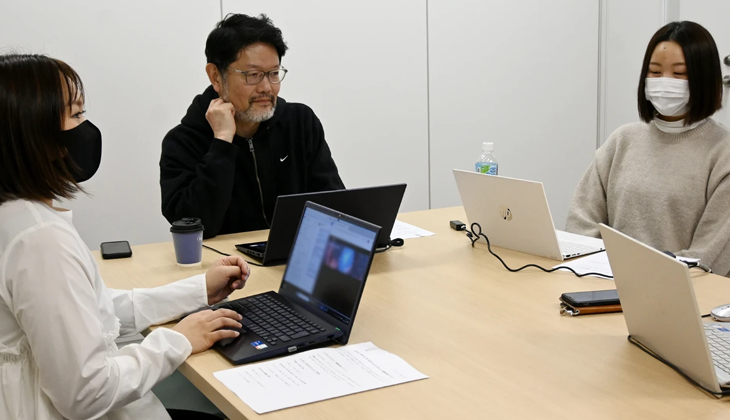
Regional Manager - Asia, Atsushi (right)
Our Regional Manager for Player Support in Asia, Atsushi, joined the company in November 2023. After working for over 7 years as a Player Support Manager at a game publisher, he made an unconventional career transition to deepen his expertise in operations. Over time, he steadily built trust and experience, growing our player support team from fewer than 10 people into a 60-person team today, and has collaborated with global partners to also launch new teams and projects across Side worldwide.
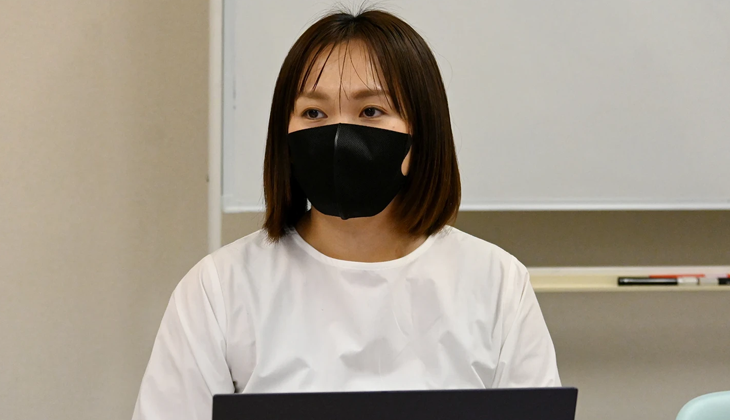
Project Manager, Misaki (center)
Our Project Manager Misaki joined the company around 2017. She eventually transferred from the office of our parent company (PTW) in Sendai to Nagoya, and in 2023 moved to Side Tokyo. She has about eight years of experience in player support.
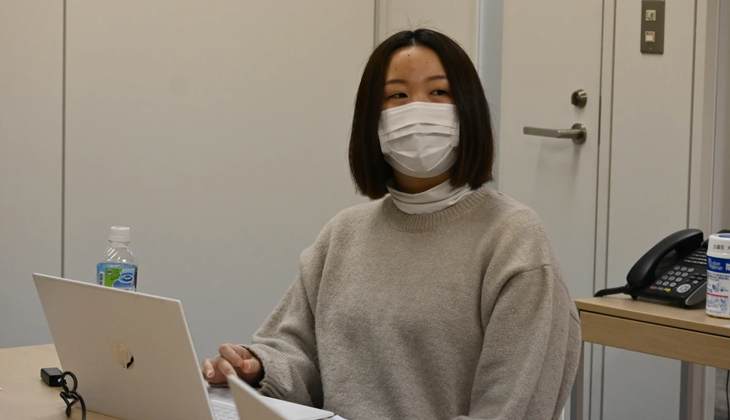
Project Manager, Eimi (left)
Eimi, another of our Project Managers in Tokyo, joined in April 2025. She has around 10 years of experience in customer support, quality management, and operations management. She currently oversees several of our global projects with clients as a project manager.
Why They Joined the Company
What motivated you to join our Player Support team?
Atsushi: I was actually headhunted. When the recruiter reached out to me at the time, I felt it might be fate. Since I had been thinking a lot about the next step in my career back then, I decided to make the move, believing that my previous experience could be put to good use.
How about you, Misaki?
Misaki: I was job hunting in Sendai and wanted to do desk work that involved using English. There weren’t many options in the region, and even though I had no customer support experience, I decided to give it a try – the rest is history!
And you, Eimi?
Eimi: I had gained customer support experience across different industries, but I realized that you can’t sustain a job unless you genuinely enjoy it. I was happiest doing customer support in the gaming industry, which I love, so I wanted to take on a new challenge. Around that time, an agency introduced me to Side. Having spent more than half of my life abroad, I also wanted a job where I could use English. That’s why I joined.
Current Responsibilities
Can you give us an idea of what your day-to-day looks like in the Player Support team?
Misaki: I hold meetings with clients, create training materials and other documents, design and operate tasks within the team, monitor adherence to processes, and train new team members.
What about you, Eimi?
Eimi: I manage the overall progress of one of our projects, coordinate with QA and L&D, analyze on-site data, propose improvements, communicate with clients, create reports, and train team members. The hardest part is people management. Since we’re human beings, conflicts can happen, so I think about how to communicate and approach each situation.
Recently, we’ve been focusing in on CSAT. We analyze comments from players to determine what is within our control to improve and what isn’t, then create tailored training or coaching plans for each team member. That’s where I spend the most time.
Atsushi: Yes – and evaluation criteria differ by project. For Misaki’s project, there’s no strict metric like “X minutes per ticket,” but first‑response time is heavily emphasized. For Eimi’s project, there is a strict AHT (average handling time) per ticket, and quality (CSAT) is also required – not just speed.
Rewarding Aspects & Challenges
What are your personal commitments or some of the things you find the most rewarding about the job?
Eimi: I’m committed to being someone who supports the entire operation, not just someone who manages the team – balancing both people and numbers. I feel fulfilled when I see the systems we built start functioning smoothly. Tasks I once supported in detail eventually run naturally within the team, and when members can solve issues among themselves, I feel a strong sense of accomplishment.
Misaki: My commitment is doing what needs to be done at the right time – not overlooking the small or obvious things. If something needs to be said, I’ll hold a 10‑minute meeting right away. When I’m busy, I can’t prepare properly, so I tackle things when I have time. I feel rewarded when I consistently follow through on what I decide to do.
Atsushi: I feel rewarded when our team performs well. I want to support career development, so obtaining new projects helps create opportunities for our team members to move up. Recently, two members were promoted by moving to other projects, which makes me happy.
What Makes Player Support Interesting
What do you find most interesting about Player Support?
Eimi: We interact with different customers every time. How we communicate can change how they understand things, and that makes the industry really fascinating. Every day is a challenge, and it helps sharpen your communication skills.
Misaki: Compared to other fields, it’s much easier to get started. If you can speak the required language and have a PC, you can often get started without specific qualifications or expertise. Then, if you want to take on more advanced tasks, you can choose that path yourself, which gives you a lot of freedom.
Both of you started as Tier 1 agents and moved up step by step, right?
Eimi: Yes, I started with basic support, then moved to quality control and QA, then Project Leader, Group Leader, and finally Project Manager. A step‑by‑step path.
Atsushi: As Misaki mentioned, this is a field that’s very accessible to people at all experience levels. Many people who like supporting others join us, and many come from hospitality or food service backgrounds. People who can catch up quickly tend to do well, but above all, what matters most is enjoying helping others.
Good Support vs. Outstanding Support
What’s the difference between good support and outstanding support?
Eimi: Good support means solving the customer’s issue properly. Outstanding support means solving the problem and showing empathy – making the customer feel understood.
Not just sending a template reply, but adding that extra layer of “this is probably how they feel” or “this is what they might really need,” right?
Eimi: Exactly. Great support leaves customers feeling, “That was truly exceptional support.”
How about you, Misaki?
Misaki: Good support is giving the correct answer or responding quickly. Outstanding support is when the customer leaves with a good impression even if their issue wasn’t fully resolved.
When you really listen, understand everything, and say things like, “I’m sorry we can’t do that, but here’s what you can do next time,” they feel glad they reached out. That’s outstanding support.
A large number of customers who contact support are already on the verge of quitting the service, or in our case, the game. Our goal is to turn that around.
And you, Atsushi?
Atsushi: My anecdote is similar to Misaki’s, but sometimes we see cases where a CSAT rating that normally would have been a 1 ends up turning into a 4 or even a 5. There are comments from customers saying that although they didn’t get the answer they were hoping for, the agent who assisted them provided such excellent support that they decided to give a high rating.
We may be the last line of defense influencing whether players decide whether they want to continue playing a game or follow a particular franchise. Receiving feedback that validates this belief makes me genuinely happy.
Looking Ahead
What do you want to achieve in the Player Support team going forward?
Atsushi: I want to grow the team. From a business perspective as well as from the standpoint of creating career opportunities for our agents, I want us to keep taking on new projects so we can offer everyone more chances to step up. I also hope to expand our work in community management – handling user communities on platforms like Discord and social media.
Eimi: Same as Atsushi. A lot of people mention in 1-on-1s that they want to move up, so I want to create more opportunities for roles like sub-leader and other career‑advancing positions.
Misaki: In my previous company, this was especially noticeable, but I had always felt there was a persistent issue where managers would leave before they had a chance to fully develop. Either there wasn’t someone in that position with the skills to teach, or no one was actually teaching. I believe that creating a proper development structure is crucial.
Atsushi: Yes – I sometimes talk with Misaki about this, but to address this, we’re thinking of creating a new Senior PM position in the future. This would be a role that oversees overall operations, acts as a key advisor for on‑site challenges on issues the field is facing, and considers and leads the implementation of improvement plans.
Ideally, I would like to take charge of this myself right away, but I simply can’t handle everything on my own. By growing the team, we’ll be able to assign people who can oversee the whole operation, so I want to keep working hard to increase the number of projects we support.
If you enjoy helping others and love games, joining our Player Support team may be a great fit. You can even start without experience. If this interview sparked your interest, check out our open roles on our careers page. We look forward to meeting you!