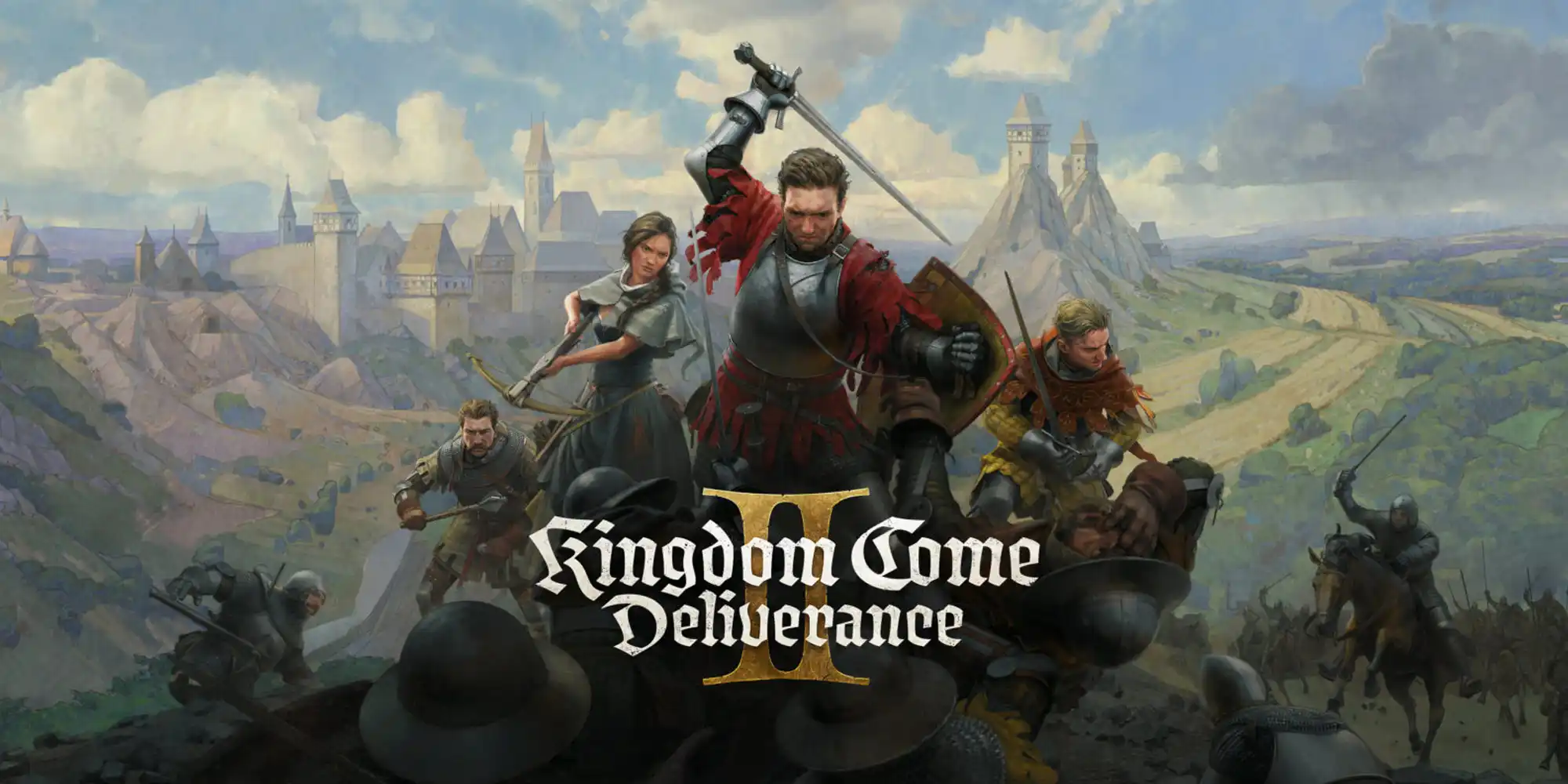
중세 보헤미아는 봉건적 신분 체계, 기독교적 관습, 그리고 동아시아 문화권으로는 자연스럽게 옮기기 어려운 사회적 규범을 기반으로 운영됩니다.
220만 단어에 달하는 Kingdom Come: Deliverance II (KCD2)의 스크립트는 게임 역사상 가장 방대한 규모 중 하나로, 이전에 Baldur's Gate III가 세운 기록을 뛰어넘었습니다. Warhorse Studios, PLAION, 그리고 Deep Silver는 이 세계를 일본 플레이어들에게 전달하기 위해 Side와 협력했으며, Side Tokyo 스튜디오는 텍스트 현지화, 현지화 품질 보증(LQA), 그리고 일본어 음성 프로덕션 전반을 담당했습니다.
텍스트, 음성, LQA 전 영역에 걸친 작업은 18개월 동안 이어졌습니다. 이 프로젝트의 핵심 과제는 문화적으로 먼 중세 유럽의 세계관을 일본 플레이어들에게 친숙하고 자연스럽게 느껴지도록 만드는 것이었습니다.
도전 과제: 직역만으로는 해결할 수 없다
어색한 대사, 일관성 없는 어조, 문화적 맥락을 제대로 반영하지 못한 각색 등 어설픈 현지화는 쉽게 눈에 띄며, 플레이어들 사이에서 화제가 되곤 합니다.
그런 점에서 KCD2는 특히 까다로운 프로젝트였습니다. 일본어 버전은 텍스트 번역과 LQA뿐만 아니라 완전한 오디오 현지화까지 요구되었기 때문에, 게임 업계 최대 규모에 속하는 현지화 프로젝트가 더욱 복잡하게 다가왔습니다.
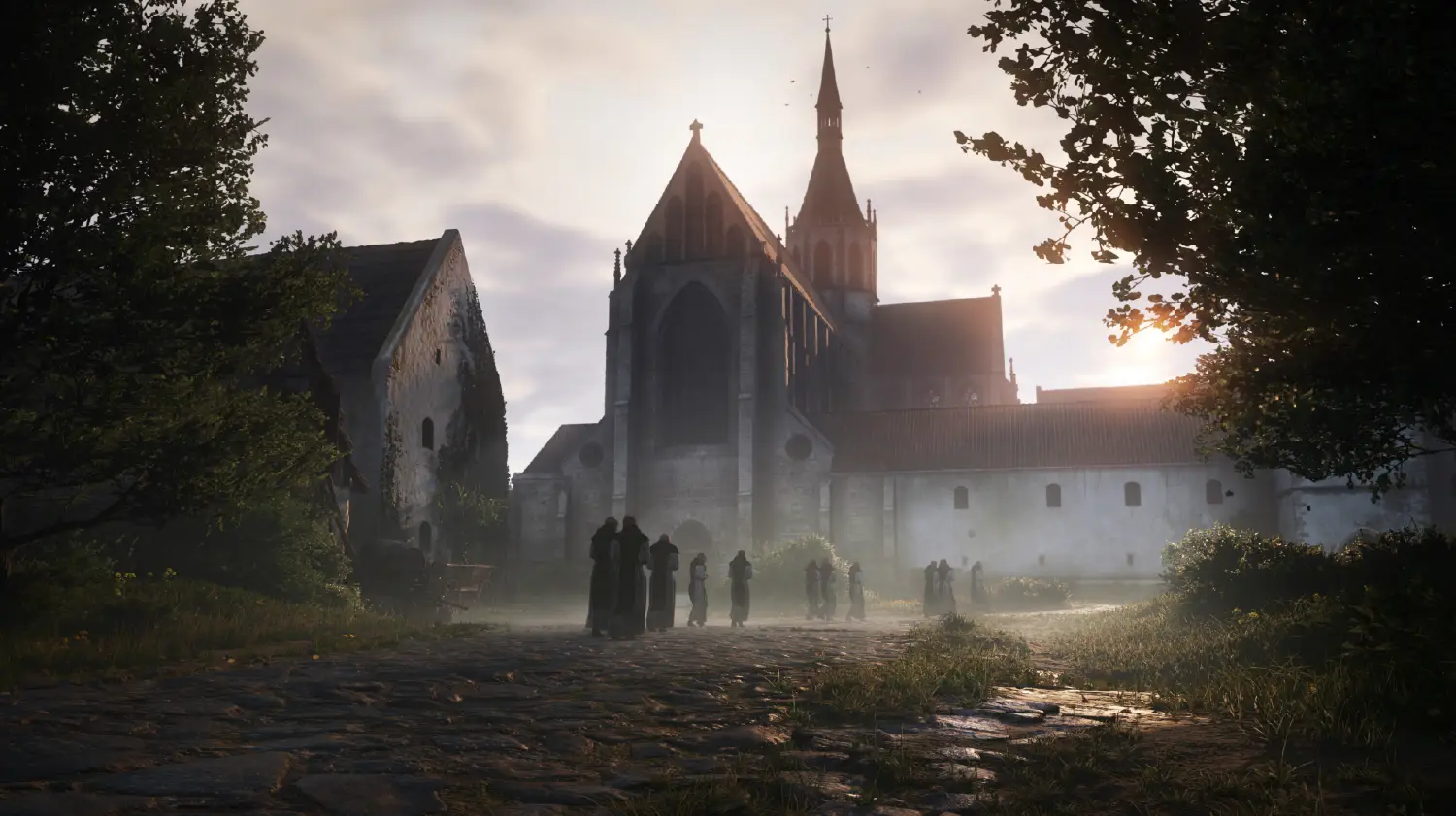
게임의 배경 설정 자체도 큰 도전 과제였습니다. 봉건제 사회의 작위와 직함, 종교 권위, 사회적 신분 체계, 그리고 KCD2의 모든 상호 작용은 일본 문화권에 그대로 대응되는 개념이 아니었습니다. 따라서 모든 표현과 선택은 철저한 조사와 검토를 거쳐야 했으며, 수백 명의 등장인물에 걸쳐 일관성 있게 적용되어야 했습니다.
더욱이 스크립트 규모는 방대했습니다. 게다가 다른 게임과 달리, KCD2는 단일 언어로만 녹음되는 작품이 아니었습니다. KCD2는 총 6개 언어로 녹음되었으며, 원본은 체코어로 작성된 후 영어로 현지화되었고, 이후 다시 여러 다른 언어로 번역되었습니다.
대부분의 현지화 언어가 인도유럽어 계열이었던 반면, 일본어는 완전 현지화가 이루어진 유일한 동아시아 언어였습니다. 일본어 VO만으로도 총 266,218줄의 스크립트, 2,037시간의 녹음, 그리고 5,260시간의 스크립트 각색 작업이 필요했습니다.
뿐만 아니라 스크립트는 프로덕션 기간 내내 계속 변경되었습니다. 텍스트 업데이트와 음성 녹음이 병행되어 진행되었기 때문에, 현지화 팀은 수정되는 콘텐츠에 맞춰 지속적으로 번역하고, 각색하고, 녹음하는 작업을 반복해야 했습니다.
프로덕션 과정을 책임지는 접근 방식
KCD2의 방대한 프로젝트 규모를 프로덕션 초기 단계부터 파악할 수 있었던 것은 매우 큰 도움이 되었습니다. Side는 프로젝트를 시작하기 전에 프로젝트 범위를 충분히 검토한 뒤, 일본어 현지화 전략의 기반을 미리 구축하고 캐릭터 관련 문서, 공용 언어 리소스, 의사 결정 지침을 마련함으로써 모든 번역가와 음성 디렉터가 동일한 기준을 참고할 수 있도록 했습니다.
이 모든 과정을 조율한 것은 Side의 전담 프로그램 관리 팀이었습니다. 프로듀서들이 병행 작업과 배치 단위 납품을 관리함으로써 텍스트 번역, LQA 테스트, 음성 프로덕션을 동시에 진행하면서도 전체적인 일관성과 협업 체계를 유지할 수 있었습니다.
각색은 철저한 조사와 연구를 바탕으로 역사적 사실성을 유지하면서도 이해하기 쉬운 표현을 구현하는 데 중점을 두었습니다. 중세 보헤미아의 개념과 문화적 요소들이 현대 일본 이용자들에게 자연스럽게 전달되면서도, 원작 세계관의 무게감과 분위기는 잃지 않도록 균형을 맞춰야 했습니다. 즉, 설정의 진정성을 유지할 만큼 정확하면서도 플레이어가 부담 없이 이해할 수 있을 만큼 명확해야 했습니다.
또한 팀은 Warhorse Studios의 파이프라인에 직접 통합되어 작업했습니다. 개발사가 사용하는 독자적인 시스템과 버전 관리 도구인 Perforce를 활용했으며, 클라이언트가 콘텐츠를 배포할 때까지 기다리는 방식이 아니라 Side Tokyo가 직접 업데이트 상황을 모니터링하며 녹음 일정과 녹음 대상 콘텐츠를 결정했습니다. 텍스트와 음성 프로덕션이 18개월 동안 동시에 진행된 만큼, 이러한 주도적인 운영 방식은 프로젝트 성공에 매우 결정적이었습니다.
LQA 역시 프로덕션 과정 동안 병행되어 전반적인 현지화 품질을 유지하는 데 기여했습니다.
결과: 성공적인 현지화
KCD2의 일본어 음성을 녹음하는 과정에서는 컷신이 아닌 콘텐츠 기준으로 시간당 150줄의 스크립트를 녹음해야 했습니다. 이는 Side Tokyo가 수행한 프로젝트 가운데에서도 가장 빠른 작업 속도 중 하나였으며, 18개월 동안 유지되었습니다.
Kingdom Come: Deliverance II는 2025년 2월 출시되어 OpenCritic에서 평론가 추천율 95%를 기록했으며, 특히 뛰어난 음성 연기와 높은 완성도로 호평을 받았습니다. 이후 전 세계 누적 판매량 600만 장을 돌파했습니다.
일본에서도 현지화 품질은 긍정적인 평가를 받았습니다. 플레이어들은 게임이 제공하는 높은 몰입감, 즉 실제로 중세 시대를 살아가는 듯한 경험을 높이 평가했으며, 현지 게임 매체들 역시 일본어 현지화의 품질을 호평했습니다.
이러한 긍정적인 반응은 PLAION 팀에서도 확인할 수 있었습니다. PLAION은 프로젝트 전반에 걸쳐 Side가 보여준 전문성과 일본어 현지화 작업의 품질을 다음과 같이 높이 평가했습니다.
Quotes
"Kingdom Come: Deliverance II의 일본어 음성 프로덕션 과정에서 Side와 협업한 경험은 매우 긍정적이었습니다. 음성 프로덕션 팀은 프로젝트 전반에 걸쳐 높은 전문성과 뛰어난 대응력, 그리고 적극적인 지원을 보여주었으며, 덕분에 시작부터 마무리까지 원활한 협업이 가능했습니다. 또한 Side가 제공한 LQA 지원의 품질과 플레이어들에게 완성도 높은 경험을 제공하기 위해 기울인 노력 역시 매우 인상적이었습니다."

세계를 온전히 전달하는 현지화
Kingdom Come: Deliverance II는 문화적 차이가 결코 장벽이 아니라는 중요한 사실을 보여줍니다. 충분한 준비와 올바른 접근 방식이 있다면, 15세기 보헤미아를 배경으로 한 세계도 도쿄의 플레이어에게 프라하의 플레이어에게만큼이나 현실감 있게 느껴질 수 있습니다.
단순히 한 언어의 단어를 다른 언어로 옮기는 것이 아니라, 하나의 세계를 다른 문화권의 플레이어에게 온전히 전달하는 것이야말로, 현지화가 해야 할 역할입니다.
게임을 일본 시장에 출시할 계획이 있거나, 단순한 번역을 넘어서는 현지화가 필요한 시장에 진출하고자 한다면, Side와 함께 가능성을 논의해 보시고 함께 어떤 경험을 만들어낼 수 있을지 알아보세요.