
Mobile gaming has grown into a $103 billion market. Today, it's the dominant platform for the games industry at large, reaching 83% of all players, with more than half of all gaming revenue flowing through the phones in our pockets.
Simplified experiences built for smaller screens no longer cut it – players want the same depth and quality they'd get on console or PC. So for developers, the margin for error is razor-thin.
But the market has shifted in three key ways: Competition has intensified. Growth is migrating to new geographies. And player expectations are higher than ever. Understanding these shifts is critical for studios targeting the fastest-growing mobile gaming markets in 2026.
The difference between building games that burrow into players' hearts and those that silently vanish from the app store is understanding where the market is today (and where it's headed), and delivering what players want.
Through the lens of our 30+ years in the games industry at Side, in this review of the mobile gaming market, we explore where growth is actually happening, why even emerging markets demand console-quality experiences, and what it takes operationally to win in these regions.

The Mobile Gaming Market Today
Global gaming revenue surged in 2020 and 2021 during the COVID-19 pandemic. While that growth seemed unstoppable, the market has since stabilized across all platforms, including mobile, with steadier but slower expansion.
Asia-Pacific remains the largest market by far, representing nearly half of global gaming revenue and over half of all players. Yet despite its size, it's growing at just a fraction of the pace seen elsewhere. North America and Europe show similar patterns – modest growth as these regions approach market saturation, with over 60% of their online populations already playing mobile games.
But while mature markets plateau, emerging regions are accelerating:
|
Region |
2025 Revenue |
Year-Over-Year Growth |
|
Asia-Pacific |
$87.6 billion |
+2.3% |
|
Europe |
$33.1 billion |
+3.6% |
|
North America |
$52.7 billion |
+4.2% |
|
Latin America |
$8.3 billion |
+6.4% |
|
Middle East & Africa |
$7.1 billion |
+7.5% |
Source: Newzoo 2025 Global Games Market Report
Latin America and the Middle East & Africa are expanding two to three times faster than established markets, signaling where the industry's next wave of growth will come from – especially for mobile. These regional shifts are among the most important mobile gaming trends shaping 2026, particularly for studios looking beyond saturated markets.
Why These Markets Are Growing Faster
In emerging markets, mobile isn't just a gaming platform; it's the gaming platform. In markets like India, Indonesia, Brazil, the Philippines, and Nigeria, consoles and gaming PCs are expensive and less accessible, while smartphone adoption is rapidly accelerating – with over 90% of smartphone users playing games in some cases.
For millions of players in these regions, mobile is their first – and only – experience with AAA-quality games.
But while growth rates differ, expectations don't. Players are universally seeking games with the same depth, quality, and sophistication they see in console and PC titles. And the games that deliver on that expectation are winning big.
What Success Looks Like
The top-performing games come from developers who understand what their markets want, and the revenue numbers prove it. Many of these titles have completely redefined what mobile gaming could be.
We asked our Senior Director and Head of Codev, Alejandro García-Tuñón, to weigh in on the success behind some of the best mobile games – and on how mobile game co-development increasingly plays a role in helping studios scale LiveOps and long-term performance. But the reality is, building a successful mobile title is not an easy code to crack.
“A huge percentage of the revenue in mobile comes from just a handful of games,” he shares. “Live support is where the majority of revenue is coming in – not developing a new game from scratch.”
Breaking into a highly saturated market is tough, but there are still lessons to be drawn from some of the top success stories for those looking to compete in the mobile space.
We examined some of the top games winning in both emerging and established mobile gaming markets today:
HONOR OF KINGS
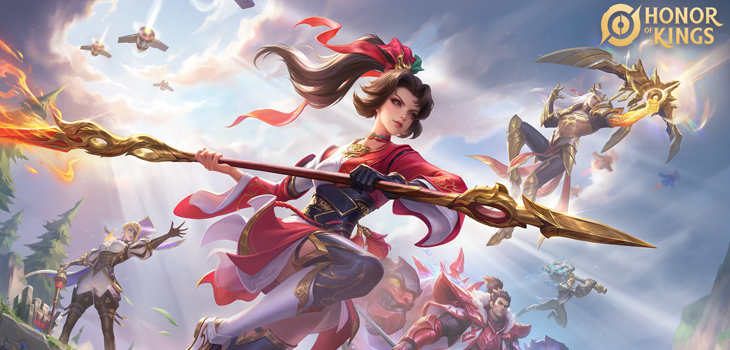
Honor of Kings, Tencent's 5v5 MOBA, generated $2.4 billion in 2025 alone, with the majority of revenue coming from China. Launched in 2015, the game distills complex MOBA mechanics into 15 to 20-minute matches, featuring over 100 heroes drawn from Chinese mythology and a competitive esports scene that draws millions of viewers. Impressively, it’s been the world’s top grossing game for 7+ years to date.
CANDY CRUSH SAGA
Candy Crush Saga is a game that needs no introduction. The ubiquitous match-3 title is available in 200+ countries with up to 273 million monthly active users in 2025 and has been translated into more than 70 languages. With over $20 billion in lifetime earnings, Candy Crush is one of the oldest continuous mobile success stories, dominating the market for nearly 15 years now. The game now totals over 20,000 levels, with weekly updates and new levels added that keep players coming back for more, year after year.

GENSHIN IMPACT
Genshin Impact redefined expectations for mobile gaming by delivering console-quality experiences on smartphones. It’s the fastest mobile game to have reached $5 billion in revenue (achieved in 40 months), bringing in $800 million in 2025 revenue alone. Developed by miHoYo/HoYoverse, the game maintains global popularity across China, Japan, and the West through stunning open-world updates and seamless cross-platform play on mobile, PC, and console.

GARENA FREE FIRE
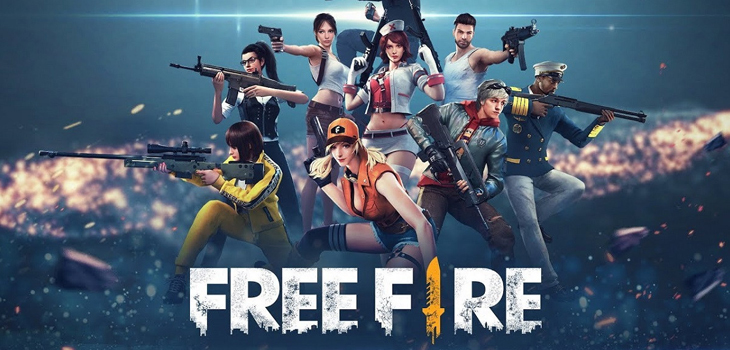
Free Fire is a 10-minute battle royale where 50 players parachute onto an island, scavenge for weapons, and fight to be the last survivor. A big part of the game's success stems from fun, strategic partnerships (such as recent crossovers with Naruto and Jujutsu Kaisen), as well as consistently releasing localized content and characters that resonate with local audiences, particularly in India, Latin America, and Southeast Asia.
PUBG MOBILE
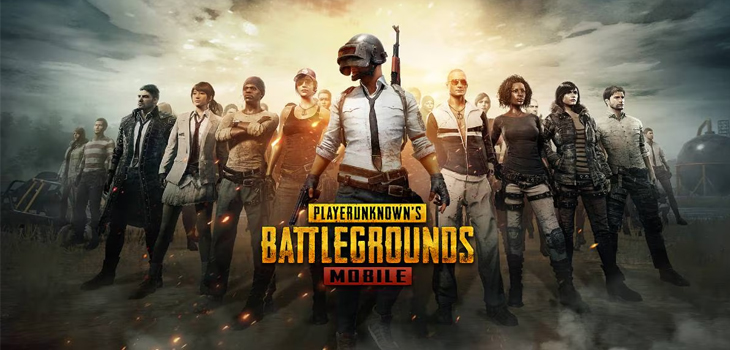
PUBG Mobile dominates in MENA and beyond, where high-profile events like the PUBG Mobile World Cup in Riyadh have solidified its popularity. Dropping players into a massive shooter experience, Tencent optimized Unreal Engine 4 for mobile in just four months, enabling features like auto-looting, visual audio cues, and smoother controls that make 100-player matches accessible on mid-tier phones. Since its 2018 release, the game has sustained engagement through constant updates and continues to grow its player base.
These success stories aren’t accidents. They're the result of deliberate, thoughtful execution across gameplay, community building, and sustained content delivery.
What It Takes to Get There
How do you actually make a game that earns a spot on your audience's home screen? We asked the leaders of our codev, QA, localization, player support teams to weigh in based on their experiences supporting some of the industry’s top mobile developers.
While there is no one winning magic formula, the consensus was clear – the games that succeed excel across five dimensions. In many cases, this level of execution requires structured mobile game co-development models that extend internal teams:
 1. Accessible Design and Daily Engagement
Ideally, mobile games should fit seamlessly into players' daily routines, enabling them to fit in quick sessions during commutes, between tasks, or while waiting. Shorter average session lengths along with time-limited events give players reasons to return daily, while progression systems reward both short bursts and extended play. The games that master this balance – accessible enough for anyone to pick up, yet deep enough to sustain long-term engagement – capture massive audiences in markets where mobile is the primary gaming platform.
 2. Social and Community Features
Many of the top-performing mobile titles are multiplayer experiences built around creating a social, collaborative, and competitive community. Whether it’s guilds, clans, public accomplishments, or ranked systems, players love competition and connection. They want to feel part of something bigger, whether that's coordinating with teammates in real-time matches, following competitive scenes, or climbing public leaderboards. Many games are highly successful because they’re able to naturally integrate social structures that promote these compelling elements into the experience – and it’s what keeps players invested and coming back.
 3. Built to Last with LiveOps
It’s not just a feeling, it’s a fact – 70% of mobile gaming revenue comes from games that are two or more years old, as shared in Epyllion’s 2025 report. Designing games with long-tail content (whether it be a deep storyline or vibrant community) and ongoing updates are what sustain success over the years. Smart launch timing and well-thought-out content strategies determine whether a game thrives or fades. Continuous content like new zones, characters, and loot, seasonal events, and limited-time rewards keep players engaged for months and even years.
 4. Cultural Resonance, Not Just Translation
Creating game content that resonates with your players also plays a crucial role in engagement. Depending on the game’s depth, you break down their requirements into two categories: cultural adaptation versus light localization. Our Director of Localization and LQA, Matt Furmidge, shares his perspective on the distinction:
Quotes
"When a game draws deeply from its cultural roots, full cultural adaptation becomes a necessity. It's what allows local players to feel truly seen and understood, ensuring that every reference lands naturally and respectfully, without confusion or offense."
When done right, cultural adaptation drives massive engagement. For instance, Garena Free Fire partnered with Indonesian action star Joe Taslim to create the in-game character Jota and launched Ramadan activations – over half of Indonesian users have played as Jota since then.
Lighter localization suits more system-driven titles (like puzzlers) where clarity matters most. But even here, the best teams retain a cultural mindset. In practice, the two approaches often overlap depending on the content, and you need to consider materials surrounding the title – marketing, community assets, promotional content – as these are critical player touchpoints.
 5. Compatibility as a Top Priority
Mobile developers have to build for thousands of devices with varying screen sizes, processing power, and battery life. Android with its fragmented ecosystem – numerous manufacturers, hardware iterations, and legacy devices – makes functionality especially complex. What's more, engine and firmware updates add another layer: Unity, which powers roughly 70% of mobile games, updates constantly, and each update can change key functionality.
Porting games from PC or console to mobile compounds these challenges. It requires completely redesigning for touch controls, optimizing for lower-end hardware, and adapting UI for mobile-first interactions.
With so many variables at play, there's almost no margin for error. Compatibility failures lead to negative app store reviews, player frustration, and inconsistent user experiences that can impact your game's performance. Navigating this maze means investing in comprehensive QA testing that catches every detail.
Behind Every Mobile Hit: Scalable External Development
The studios that break through aren't just creative – they're operationally efficient. They deliver quality production across content, including crafting the right gameplay systems, art, and audio design. They build localization infrastructure with deep cultural expertise, not just word-for-word translations. They maintain quality assurance coverage built for LiveOps and compatibility across fragmented device ecosystems. They understand regional payment systems and market knowledge. And they create ongoing support infrastructure to sustain live operations for years.
With a strong external development team to scale up your internal team where necessary, a compelling game, and the right market fit, mobile game studios can set themselves up for a greater chance of success.

Summary: Quality Over Quantity
The mobile gaming market is healthy, competitive, and geographically diverse. Growth remains strong in Asia-Pacific and is surging particularly in Southeast Asia, Latin America, and MENA – but success requires more than spotting the opportunity.
The games that thrive combine accessible mechanics with long-term progression systems that reward investment and skill development, keeping both casual players and hardcore fans engaged. They deliver quality content, cultural adaptation, technical polish, and ongoing support.
For studios navigating today’s mobile gaming trends, the right mix of internal leadership and external co-development support can make the difference between launch-day visibility and long-term success.
If you've got a mobile game that needs support and would like to explore a partnership, Side has over 30 years of experience supporting mobile titles of all shapes and sizes. Get in touch and let’s see what we can build together.
References
- Newzoo's Global Games Market Report 2025
- GDC’s 2025 Trends Report
- Epyllion – The State of Video Gaming in 2025
- Pocket Gamer’s Top Grossing Mobile Games of 2025
- Priori Data – Candy Crush Overview
- Sensor Tower – Genshin Impact Overview
- Sensor Tower – Free Fire Overview
- Sensor Tower – Brawl Stars Overview
- Sensor Tower – PUBG Mobile Overview